This handy feature gives PC gaming on Android a major boost

Hadlee Simons / Android Authority
TL;DR
- A developer has ported the Lossless Scaling Frame Generation tool from PC to Android.
- This tool uses Vulkan to deliver frame generation in a variety of games, improving performance in the process.
- The tool is currently supported by the GameNative app.
Frame interpolation has long been one of the most notable ways to offer a smoother gaming experience. However, PCs and other platforms have since stepped things up with frame generation, which uses AI to create additional frames. Now, one of the most notable frame generation tools has arrived on Android.
Developer FrankBaretta recently released an Android port of the Lossless Scaling Frame Generation (LSFG) utility. This tool was originally released on Steam and uses Vulkan to deliver frame generation in a variety of games, including titles without built-in frame generation or scaling.
Don’t want to miss the best from Android Authority?


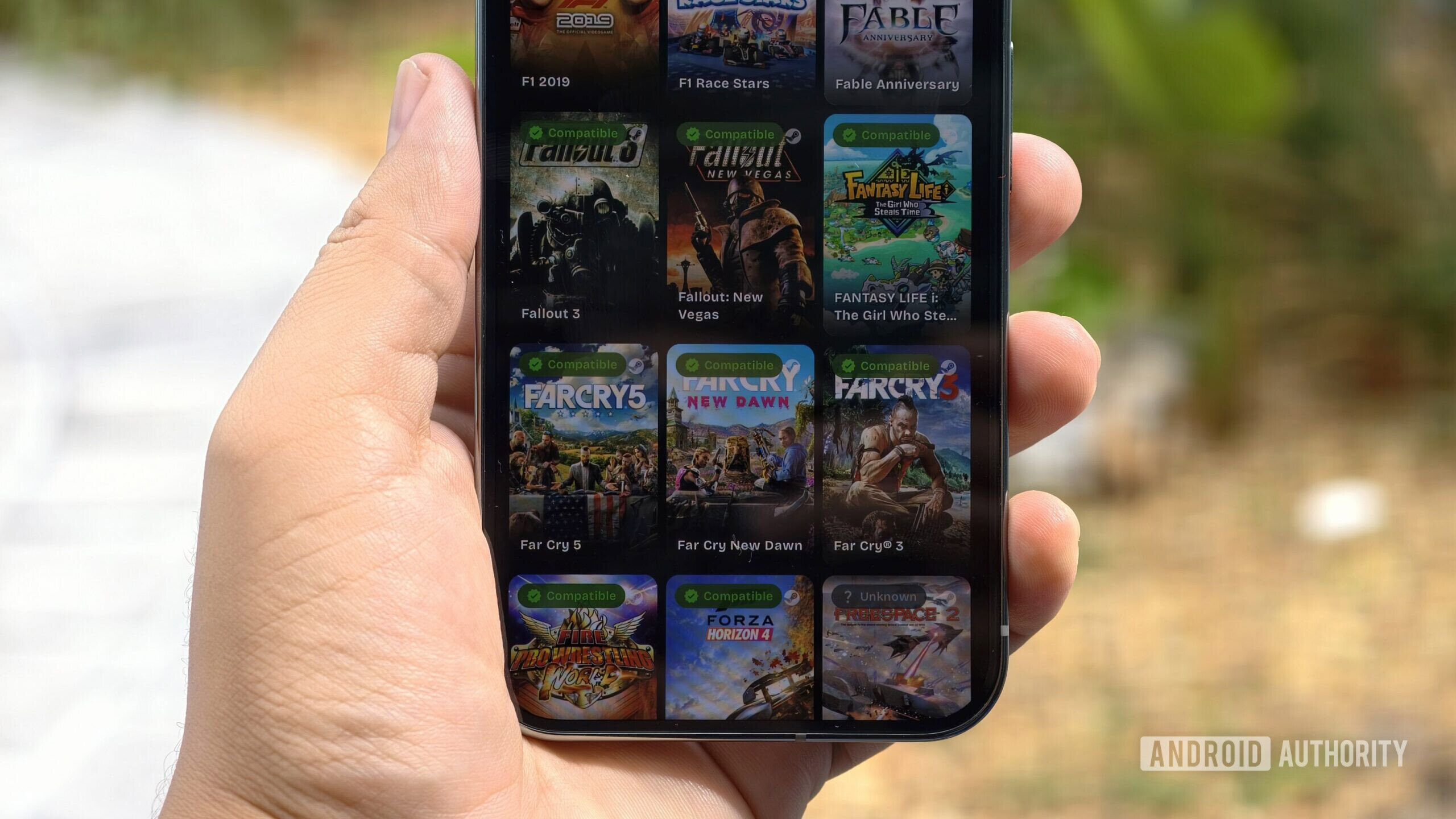
The good news is that this feature is already integrated into version 0.9.1 of the GameNative app for playing PC games on Android. In fact, the option is integrated into the quick access menu, so you can seamlessly make adjustments as you see fit. However, the mobile port requires a copy of the $7 PC app.
“If you enable in container settings, you will be prompted to download the lossless scaling app if entitled in Steam, otherwise told to buy it,” reads an excerpt of the GameNative changelog. Furthermore, it looks like the feature requires a Snapdragon processor with an Adreno 600 series GPU or newer.
The developer of the Android port says you can expect 50 and 80 milliseconds of lag compared to the Linux version:
On non-rooted Android there is no equivalent to Linux’s Vulkan implicit layer mechanism. Android 12+ explicitly blocks loading external code into non-debuggable processes, so this app cannot hook another app’s Vulkan swapchain. Frame generation runs on a MediaProjection screen-capture stream instead, and the result is composited in a system overlay over the target.
Sneaky addition to GameNative between the v0.9.1-prerelease and v0.9.1: frame generation via lsfg-VK.
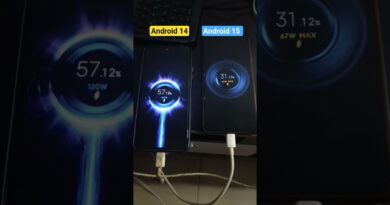
A video uploaded by the GameNative X account (seen above) shows that The Last of Us Part 1 can go from 30fps to over 80fps with this frame generation solution. Meanwhile, some users have reported going from 30fps to 60fps or 60fps to 120fps. Of course, it’s worth reiterating that the Android version of this feature has significant latency issues. So you might want to stay away from the option in games that require split-second reflexes. It’s also worth noting that LSFG isn’t a miracle tool, so you shouldn’t expect great results if your Android device struggles to maintain a playable frame rate in the first place.
GameNative isn’t the only PC gaming app to adopt frame generation smarts in recent days. Prominent app GameHub recently gained an AI frame generation feature as part of version 6.0.1, but it’s unclear whether this is based on the LSFG utility.
Thank you for being part of our community. Read our Comment Policy before posting.