Why 3D TVs Failed And The Trouble With 3D In Hollywood.
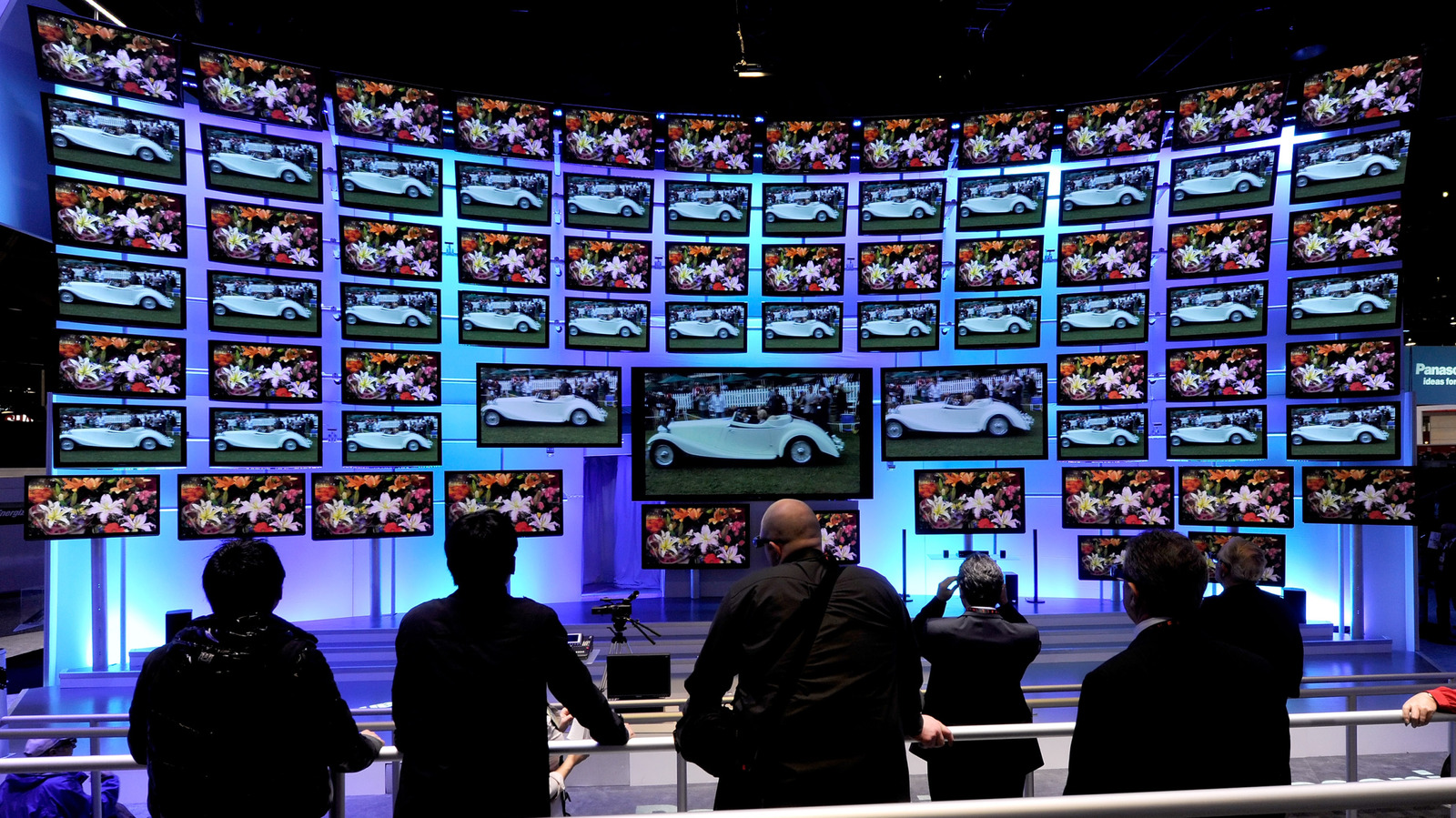
While many TVs released between 2010 and 2015 supported 3D, using the feature required clearing a series of annoying hurdles. You had to buy 3D glasses, which ranged from $10 to $20 for passive frames, to upwards of $50 for active glasses that required constant charging. You had to make sure your Blu-ray player supported 3D discs. And you had to pay a premium for those 3D Blu-rays, assuming you could find them in stock.
For the niche media geeks who cleared those roadblocks, 3D Blu-rays did a decent job of replicating the theatrical 3D experience. But the results depended heavily on the size and viewing distance of your TV. If you’re too far away from a 42-inch or even 50-inch set, you won’t really be immersed by Avatar’s world of Pandora. It was also extra annoying if you wanted to have a 3D watch party with a crowd — you’d either have to buy a ton of extra glasses, or hope your nerdy friends had their own.
Worst of all, 3D TVs with passive glasses effectively halved the resolution of 1080p, since they had to deliver a separate image. 3D projectors and higher-end TVs avoided that issue since they relied on active glasses, but the expense and battery limitations of those frames made viewing parties all but impossible.
Outside of 3D Blu-rays, it was also tough to find much 3D content. Networks like the BBC and ESPN broadcast a handful of 3D shows and games, but they both gave up on the format in 2013. “I have never seen a very big appetite for 3D television in the UK,” Kim Shillinglaw, the BBC’s head of 3D, said in a 2013 interview with Radio Times (via The Independent). “Watching 3D is quite a hassly experience in the home. You have got to find your glasses before switching on the TV. I think when people watch TV they concentrate in a different way. When people go to the cinema they go and are used to doing one thing. I think that’s one of the reasons that take up of 3D TV has been disappointing.”
As the hype around 3D TVs waned, 4K sets with HDR started to crop up with more immediate benefits. They looked noticeably sharper and brighter than earlier HDTVs, and they were buoyed by a ton of 4K content from Netflix and other streaming services. There was no need to buy a Blu-ray player, no need to put on glasses and no need to look hard for special content. It’s no wonder 4K took off. (And even if you’re not viewing 4K content, those newer TVs still made your older SD and HD shows look better than ever.)
According to a recent study by Precision Reports, around 25 percent of households with 3D TVs actually used the technology during the peak period between 2010 and 2018. Less than 10 percent of households kept using the technology after three years. The same report also found that 65 percent of users stopped using 3D because of a lack of content, 50 percent noted discomfort for long viewing sessions and 42 percent gave up due to high equipment costs.
Despite the many issues, though, Precision Reports also predicts that the 3D TV category will grow by 15 percent by 2036 thanks to the rise of glasses-free 3D sets, commercial implementations and gaming. I’ve yet to be impressed by any glasses-free 3D TVs, personally, and they typically don’t support multiple viewers since they rely on sophisticated eye tracking to function.