This Is Why Teslaâs Robotaxi Launch Needed Human Babysitters
âThis is a demo or test using safety driversâitâs not an [autonomous vehicle] deployment,â says Bryant Walker Smith, a law professor at the University of South Carolina who studies autonomous vehicles. âTesla is splashing around in the kiddie pool and everyone is asking where itâs going to place in the Olympic swim competition.â
Bloopers and Sensors
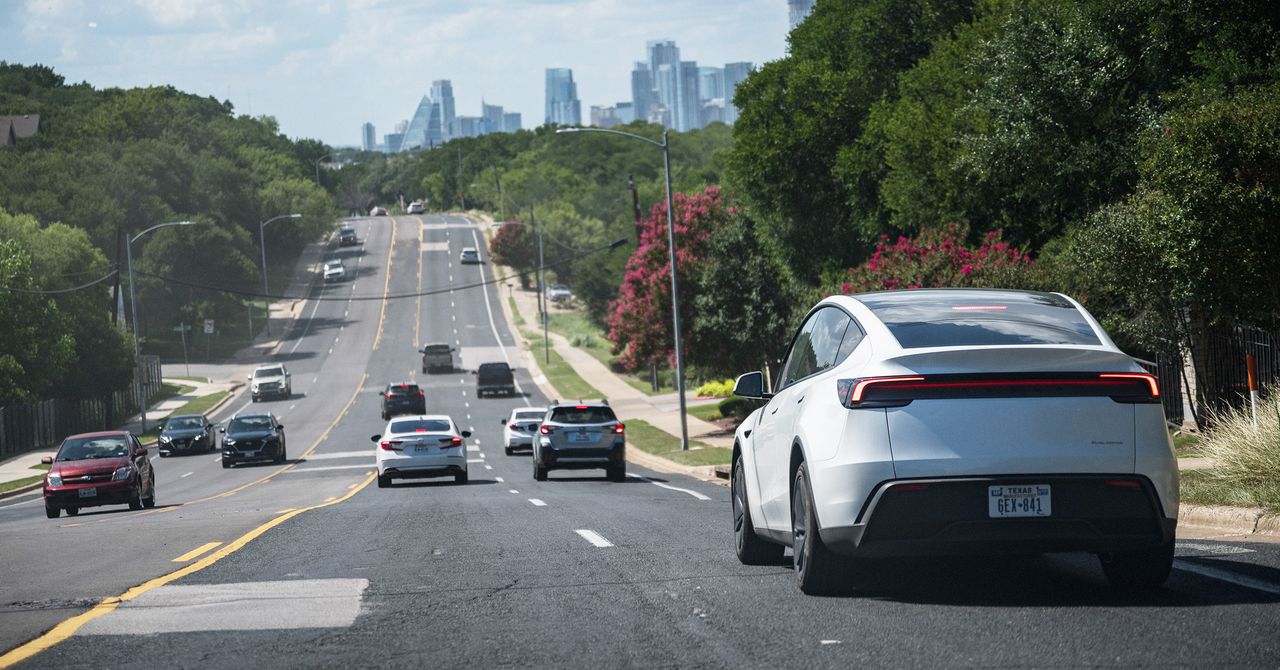
Tesla has kept quiet about many of the particulars of its technology. And itâs hard to reach definite conclusions about its tech from social media posts uploaded by riders. But some of those posts appear to show less-than-smooth rides. In one video, a robotaxi attempting to make a left turn appears to cross a double yellow line into oncoming traffic. In another, a robotaxi apparently fails to detect a UPS truck stopping and reversing to park, and the front seat safety monitor has to intervene to stop the car.
One YouTuber uploaded a video showing a robotaxi âphantom brakingââsuddenly coming to a stop for no apparent reasonâa phenomenon thatâs also been flagged by hundreds of users of Teslaâs less-advanced Full Self-Driving (Supervised) feature and investigated by the federal government. Unlike actual self-driving technology, Full Self-Driving (Supervised) requires users to keep their eyes on the road.
The service pauses for bad weather, according to Teslaâs website. One YouTuber had their ride halted for a rainstorm; the robotaxi dropped the rider in an Austin park as the wind began to whip around them. Minutes later, according to a video, the same Robotaxi picked the creator up to continue their ride. However, contradicting the above, one poster has reported the cars perform âFLAWLESSLYâ in heavy rain.
The early bloopers arenât surprising, experts say. Full Self-Driving (Supervised) requires a human driver to intervene when needed, and it appears robotaxi is the same right now, says Philip Koopman, a professor at Carnegie Mellon University who studies autonomous vehicle safety. The slip-ups the robotaxis have made are not unlike what human drivers do on the road, he says. But autonomyâs value add is supposed to be safety, so it makes sense that the videosâand the techâs ârough edgesââare making people nervous.
Camera Quandary
The launch has reopened public debates about a core tenet of Teslaâs technology: its use of cameras alone to perceive and âmake decisionsâ as it drives. Musk and his company have long argued that artificial intelligence, supplemented by the data collected by cameras, is sufficient to operate a safe, driverless car. The CEO has promised that all of its cars can become autonomous without any modifications, with a simple push of updated software (though Tesla also quietly reneged on this claim). Other companies see more expensive sensors, including radar and lidar, as important validators and support. (Lidar has dramatically dropped in price; many Chinese automakers are now including the sensor on every car that they sell.)
Advances in large language models have convinced some in the auto industry that Muskâs approach is the right one. In a podcast interview published this week, Kyle Vogt, the former CEO of General Motors AV unit Cruise, argued that images from multiple vehicle-mounted cameras plus advanced models can be âreally accurate.â (Vogt stepped down from Cruise after one of its driverless vehicles hit and dragged a pedestrian. The company was not transparent with regulators about the incident, a report later found.)
For Cummings, the reports out of Austin have confirmed her beliefs that cameras alone arenât enough to operate a car autonomously. âThere is no robotic system that exists that is safety criticalâmeaning people can die [using it]âthat has ever been successful on a single sensor strain,â she says. âIt’s unclear why Tesla thinks that they can do what has never before been done.â
One metric that might reveal Teslaâs internal success: how quickly it expands. Musk boldly said in May that Tesla will have hundreds of thousandsâand perhaps up to a millionâautonomous vehicles on the road next year. The company seems motivated. According to a job posting, Tesla is hiring for additional vehicle operators, who are paid to drive cars around Austin to collect data. But, of course, Musk is no stranger to deadlines unmet.