With One Million Displaced, Lebanon Turns to Digital Wallets for Aid
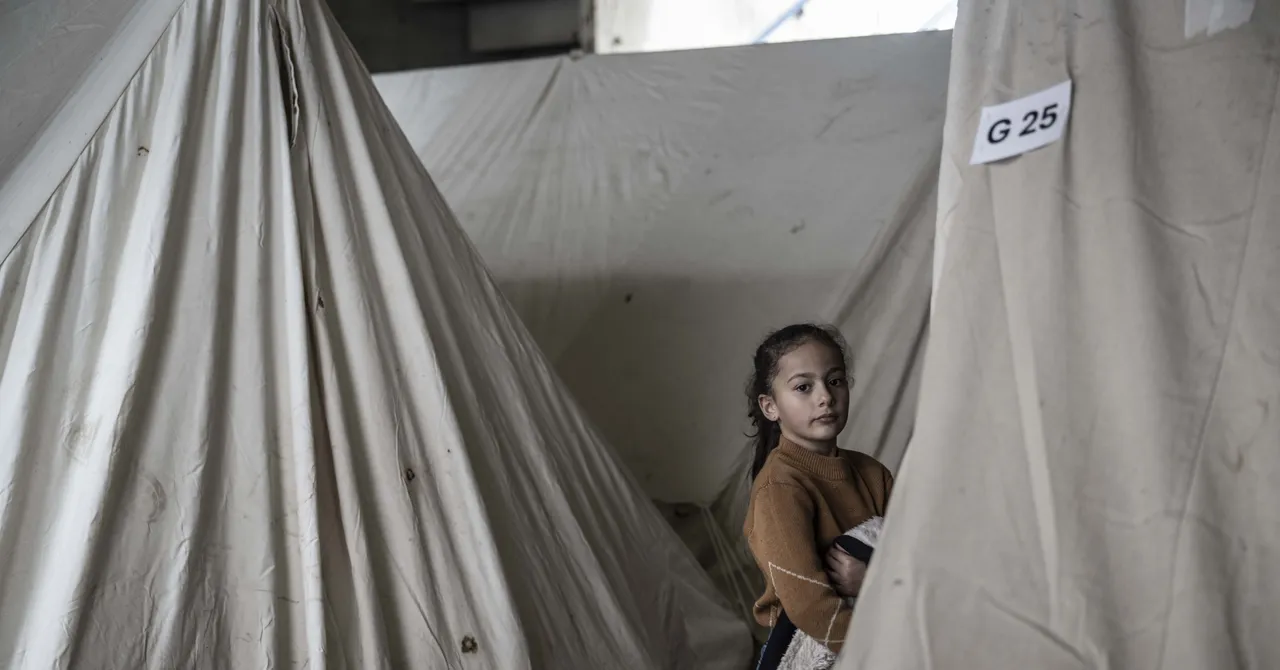
Since March, Israeli attacks on Beirut and the occupation of southern Lebanon have displaced over 1 million people. Families are sheltering with relatives, renting if they can, or sleeping in cars and out in the open, placing immense strain on already fragile infrastructure. Over 130,000 people have also crossed into Syria, many in urgent need of food, cash assistance, and shelter, according to a report by the International Organization for Migration.
As humanitarian needs surge, so does the flow of money from abroad. Yet much of this support is not moving through traditional aid channels. Instead, it is being routed through digital fintech platforms to trusted individuals on the ground, who buy necessary items or distribute funds directly to the displaced.
There is no real-time dataset capturing donations linked specifically to the war. However, remittances—the closest available proxy—offer context. Lebanon receives roughly $6 billion to $7 billion annually from abroad, equivalent to about a third of its GDP, according to the United Nations Development Programme (UNDP) in 2023.
The UNDP reported that remittance costs there averaged 11 percent, higher than the global average. In times of crisis, these flows often shift towards emergency support. What is different now is how that money moves: Increasingly, it is being sent instantly, peer-to-peer, through digital wallets.
“These informal inflows are captured by the formal BDL figures and constitute around 70 percent of the inflows during the crisis,” the UNDP added, noting that money is also often sent as cash with people traveling to the country.
From Gift Cards to Financial Infrastructure
Being Lebanese myself, my social media feed has been inundated with former colleagues and friends setting up their channels to receive donations, sharing photos of receipts, and showing where money is going.
One grass-roots campaign run by Lebanese lawyer Jad Essayli raised $65,125 in 10 days, purely through social media and digital transfers. When asked which platforms have been the most impactful, he and other fundraisers pointed to Whish Money, though many other platforms, including Paypal, Zelle, and Venmo are also being used.
Originally launched to digitize gift cards, the company has evolved into a broad financial platform offering remittances, peer-to-peer transfers, and payment services with more than 2 million users across 110 countries. “We started off from the fact that we wanted to disrupt the distribution of gift cards,” says Toufic Koussa, cofounder and chairman of Whish Money, describing how the company built an early wallet system in 2007 that allowed retailers to issue digital cards on demand. Over time, that infrastructure expanded into a full financial ecosystem.
When Banks Stop Working
The company’s core focus has been the unbanked and underbanked—those with limited or unreliable access to traditional banking. Those groups became central during Lebanon’s financial collapse. Globally, 1.4 billion people remain unbanked; the World Bank cites access to affordable financial services as being “critical for poverty reduction and economic growth.”
In Lebanon, as banks froze deposits and restricted withdrawals, platforms like Whish Money filled a critical gap, enabling people to move and access money outside the traditional system.
That infrastructure now shapes how aid moves in crisis. Money from family, diaspora, or grass-roots campaigns lands straight in a digital wallet and can be spent immediately. On Whish Money, peer-to-peer transfers are the most popular, followed by international remittances. Koussa also notes that Whish Money is uniquely connected to US banking infrastructure, allowing users to link accounts abroad directly to wallets in Lebanon.
Displacement is changing how people use these platforms. Overall growth is steady, but transaction patterns have shifted. Families are making bigger purchases, stocking up on essentials as uncertainty grows. Grocery bills that might have been $200 are now climbing as people prepare for the worst, Koussa says.