The Other Vivian Maier: The Street Photography of Angelo Rizzuto
An unknown man walked the streets of New York each afternoon for years, taking thousands of photographs that were only recognized after his death — leaving behind a vast archive later compared to the rediscovered images of Vivian Maier.
For more than a decade, the reclusive Angelo Antonio Rizzuto followed a strict daily routine in Manhattan, leaving his home at 2 p.m. with a camera to document the city. Between 1952 and 1964, the street photographer produced tens of thousands of images as part of an ambitious but unrealized project, a book he planned to call “Little Old New York.” Like Maier, his work remained largely unseen during his lifetime and only gained attention after his death.
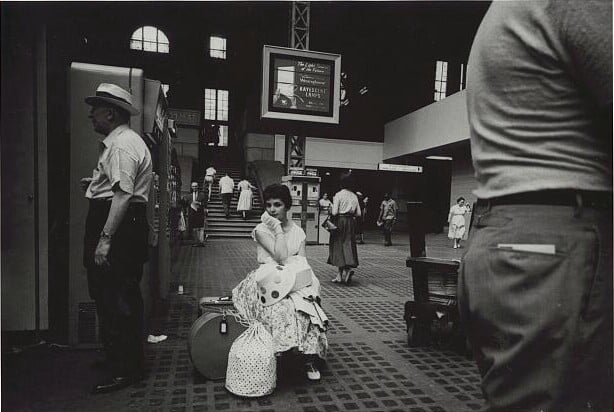

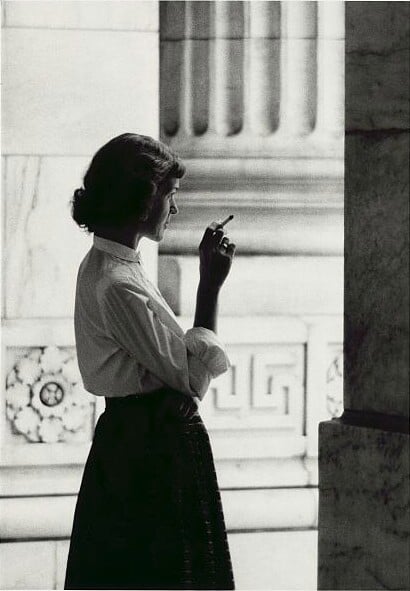
Born in 1906 in South Dakota to Sicilian immigrant parents, Rizzuto was raised in Omaha, Nebraska, and later attended Harvard Law School but did not complete his studies. After his father’s death, a dispute over the family estate led to a suicide attempt in 1941 and a period of institutionalization. Rizzuto’s life became increasingly unstable, shaped by mental illness, military service followed by medical discharge, and years spent moving across the country before he eventually settled in New York.
In Manhattan, Rizzuto lived a largely isolated life in a small rented room and was considered a recluse, avoiding social contact for most of the day. However, for nearly 18 years, he maintained his daily routine of going out to photograph the streets of New York. Although he chose to live in his cramped rented room, Rizzuto owned a brownstone on East 51st Street, likely purchased with inheritance money, where he developed his photographs.
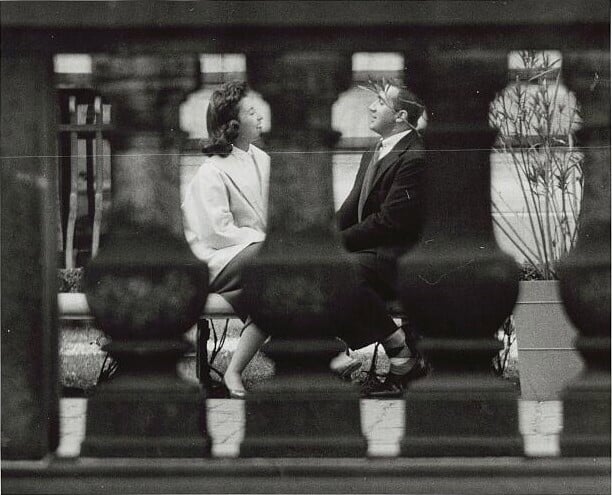
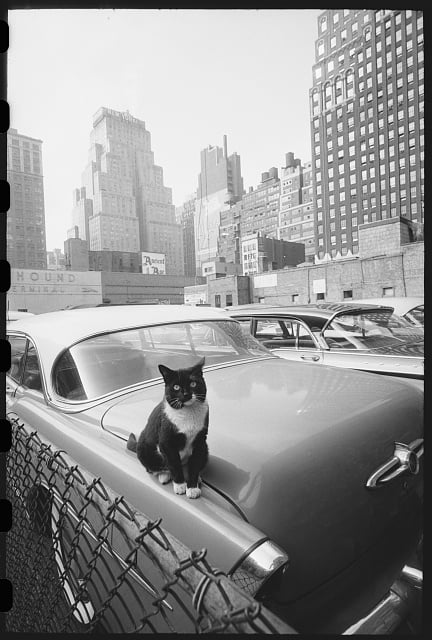
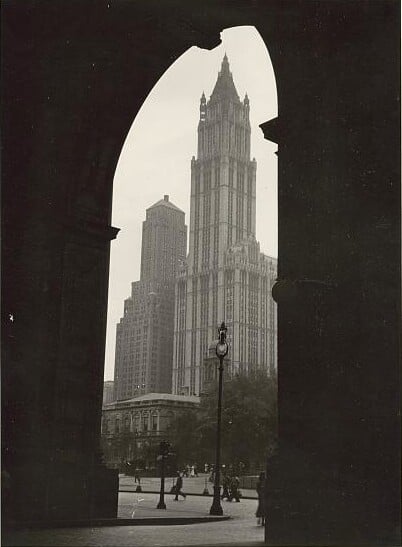
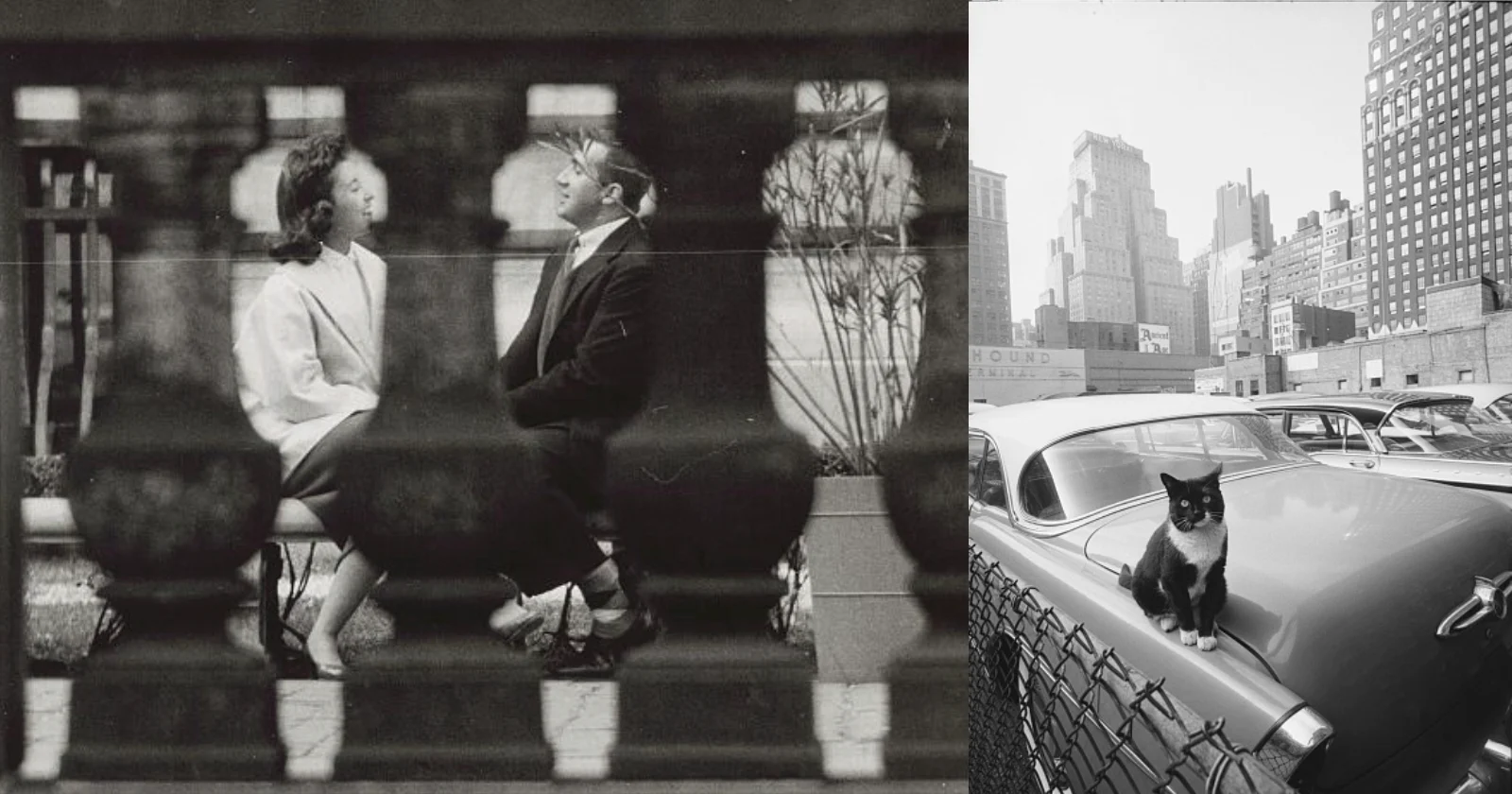
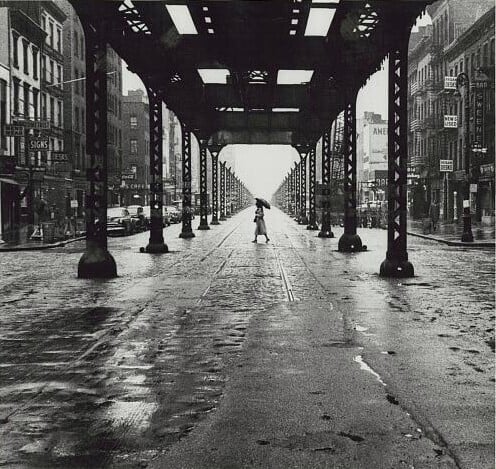
Despite his isolation, Rizzuto’s work shows sustained engagement with the life of the city. He was drawn to New York’s scale and structure, frequently photographing skyscrapers, bridges, parks, and fences, often emphasizing geometric forms. He also captured quieter moments, focusing on ordinary people — children, commuters, and passersby — many of whom appear unaware they were being photographed.
Jan Grenci, who worked as a reference specialist in the Prints and Photographs Division of the Library of Congress, writes of Rizzuto’s work: “You can see some recurring themes – cats and dogs, children, storefronts, people on the subway and in train stations, and nuns.” His compositions often used architectural elements such as railings, windows, and tracks to frame his subjects.
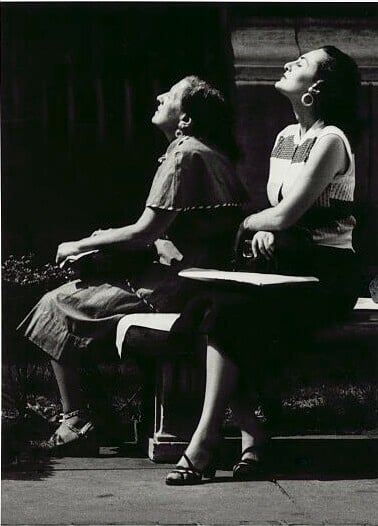
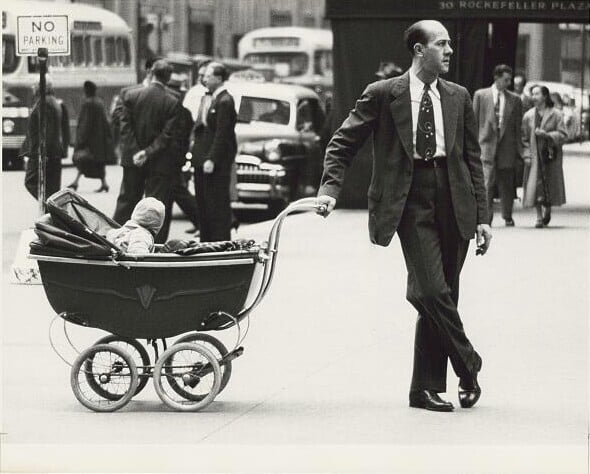
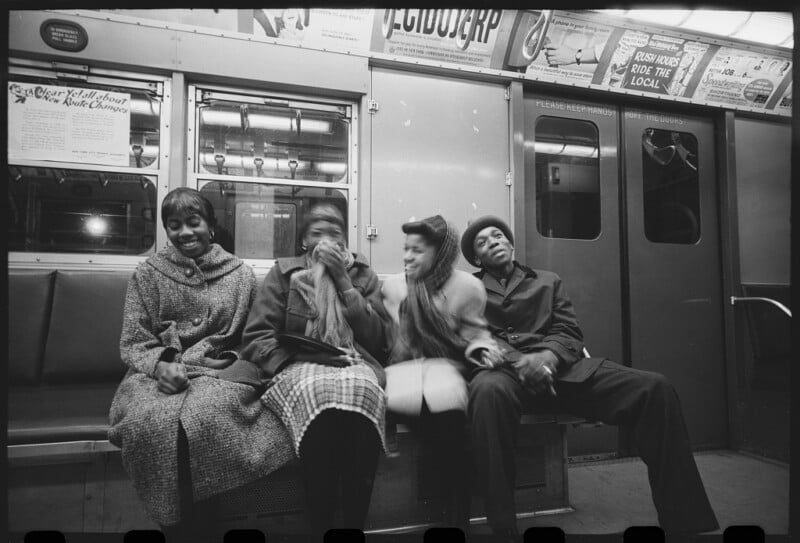
Rizzuto’s process was methodical. He worked with bulk film, sometimes using multiple cameras in a single day, and he organized his contact sheets by theme rather than chronology. Rizzuto also included himself in his work. After 1953, many rolls of film ended with a self-portrait of the photographer, often reflecting the angles and perspectives seen in the preceding images.

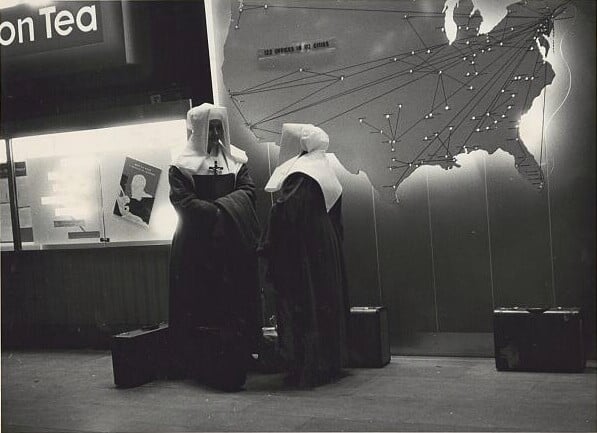
When Rizzuto died of cancer in 1967, he left around 60,000 photographs, along with funds from the sale of his house, to the Library of Congress, with instructions that a book of his work be published. His will was contested after his death, but the Library of Congress ultimately received the majority of his estate and took control of the photographic archive in 2001. Two decades later, it was made available for research and analysis. Rizzuto referred to himself as Anthony Angel, an Americanized version of his name, and requested that the Library of Congress call his archive The Anthony Angel Collection — which it did.
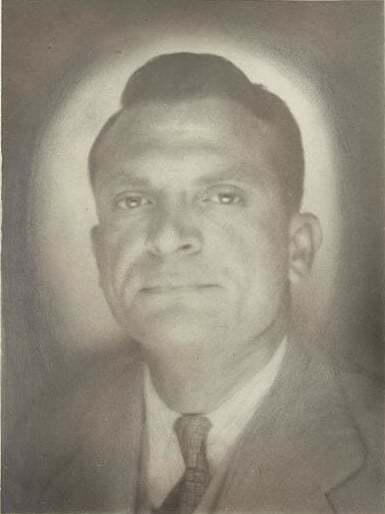
The parallels between Rizzuto and Vivian Maier are obvious. Both photographers worked in relative obscurity, driven by a private impulse to document the world around them rather than any expectation of recognition. Both left behind large bodies of work that were only discovered and appreciated after their deaths. However, their legacies developed differently. Rizzuto’s decision to leave his archive directly to the Library of Congress ensured its preservation within a public institution, unlike the legal and commercial disputes that followed the discovery of Maier’s photographs in an estate sale.
His story has prompted a broader question within photography and archival circles: how many other Vivian Maiers remain undiscovered? For some, Angelo Antonio Rizzuto represents one possible answer — a photographer whose work suggests that significant artistic archives can exist in obscurity for decades, waiting to be recognized.