Amazon plans custom chips for Kindle, Fire TV and Echo devices

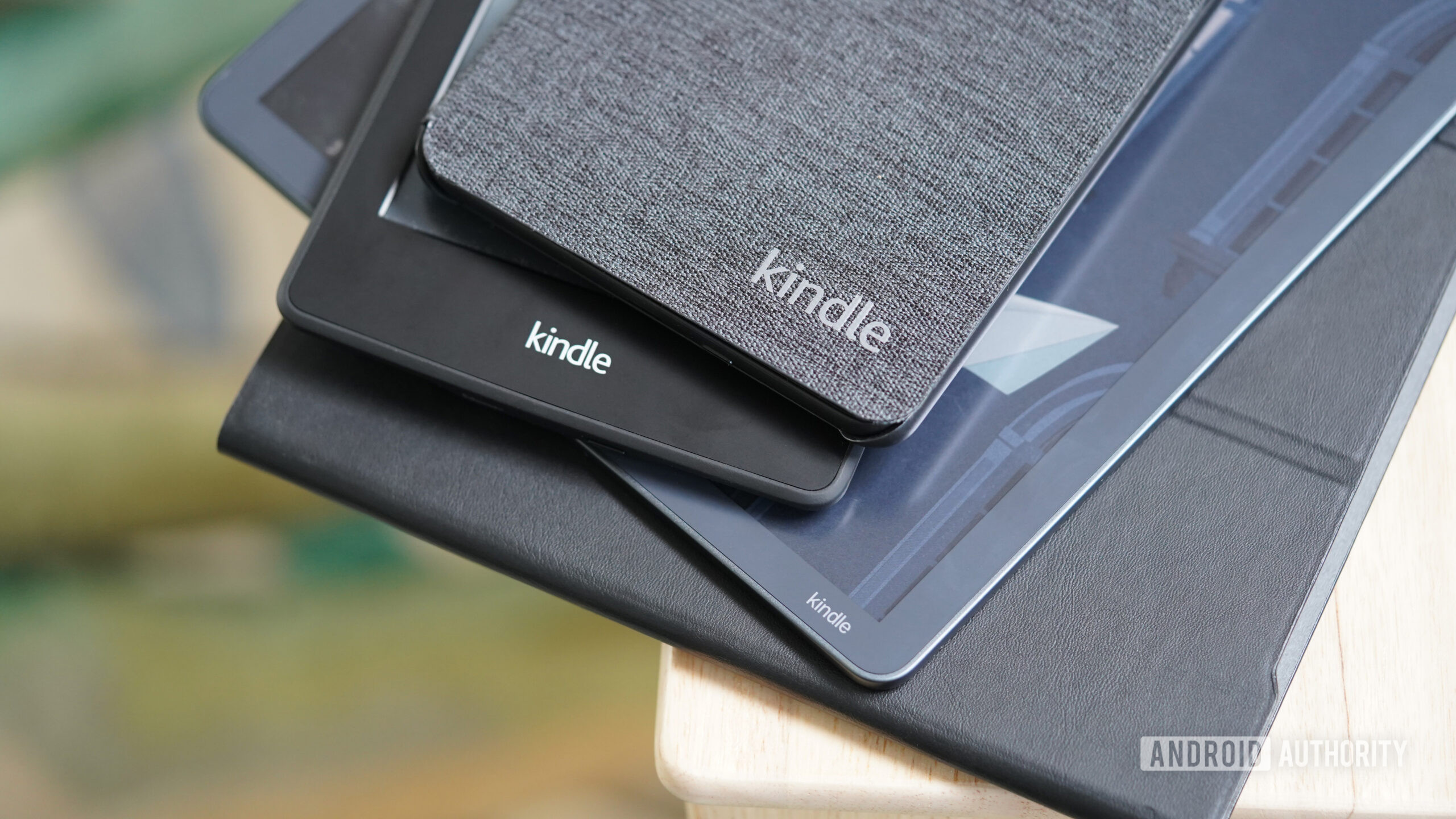
Kaitlyn Cimino / Android Authority
TL;DR
- Amazon reportedly plans to develop its own chips for Kindle, Fire TV, Echo, Ring, and other devices, reducing its reliance on third-party suppliers.
- It could help the company cut costs, reduce dependence on outside chipmakers, and build devices that work better with future AI features.
- The transition is expected to begin in 2027, with Amazon reportedly partnering with Alchip and aiming to ship around 40 million in-house processors annually once the strategy is fully rolled out.
Amazon appears to be preparing a major behind-the-scenes shake-up that could eventually affect nearly every gadget it sells, from your Kindle and Fire TV to Echo smart speakers and Ring doorbells.
According to well-known industry analyst Ming-Chi Kuo, Amazon is planning to gradually shift away from off-the-shelf processors from third-party chipmakers and instead design more of its own silicon. The company wants greater control over the power that powers its devices.

If this sounds familiar, that’s because several tech giants have already taken a similar route. Apple designs its own A-series and M-series chips, giving it tighter control over performance and battery life. Google has its Tensor chips, while Amazon now seems interested in bringing that same philosophy to its consumer hardware lineup.
For everyday users, this probably won’t translate into overnight upgrades like dramatically faster Kindles or smarter Echo speakers. However, building chips in-house could give Amazon greater freedom to tailor hardware to its software and AI features while also reducing its dependence on external suppliers. There’s another reason Amazon is making this move now: AI.
Kuo notes that Amazon has been pouring enormous sums into AI infrastructure, putting pressure on its finances. With AI becoming one of the company’s biggest spending priorities, Amazon is reportedly looking for ways to trim costs elsewhere. Developing custom processors for its own devices could be one way to save money over time while keeping tighter control over its hardware roadmap.

The report also suggests that this decision could have ripple effects across the chip industry. Analyst Jukan, citing Kuo’s findings, said companies that currently supply processors for Amazon devices, such as MediaTek, could stand to lose significant business if Amazon follows through with the transition.
According to Kuo, Amazon has chosen Taiwanese chip design company Alchip as its exclusive partner for the back-end design and testing of these custom processors. While Amazon will oversee the chip strategy, Alchip is expected to play a key role in turning those designs into production-ready silicon.
The transition reportedly won’t happen overnight. Kuo says Amazon aims to kick off the shift in 2027, and once it’s fully underway, the company could ship around 40 million of its own processors every year across its growing lineup of consumer devices. If that happens, it would mark one of Amazon’s biggest hardware strategy changes in decades and another sign that custom silicon is quickly becoming the norm among the biggest names in tech.
Thank you for being part of our community. Read our Comment Policy before posting.