Android PCs Are Officially Coming in 2026 to Challenge Windows
Readers help support Windows Report. We may get a commission if you buy through our links.

Read our disclosure page to find out how can you help Windows Report sustain the editorial team. Read more
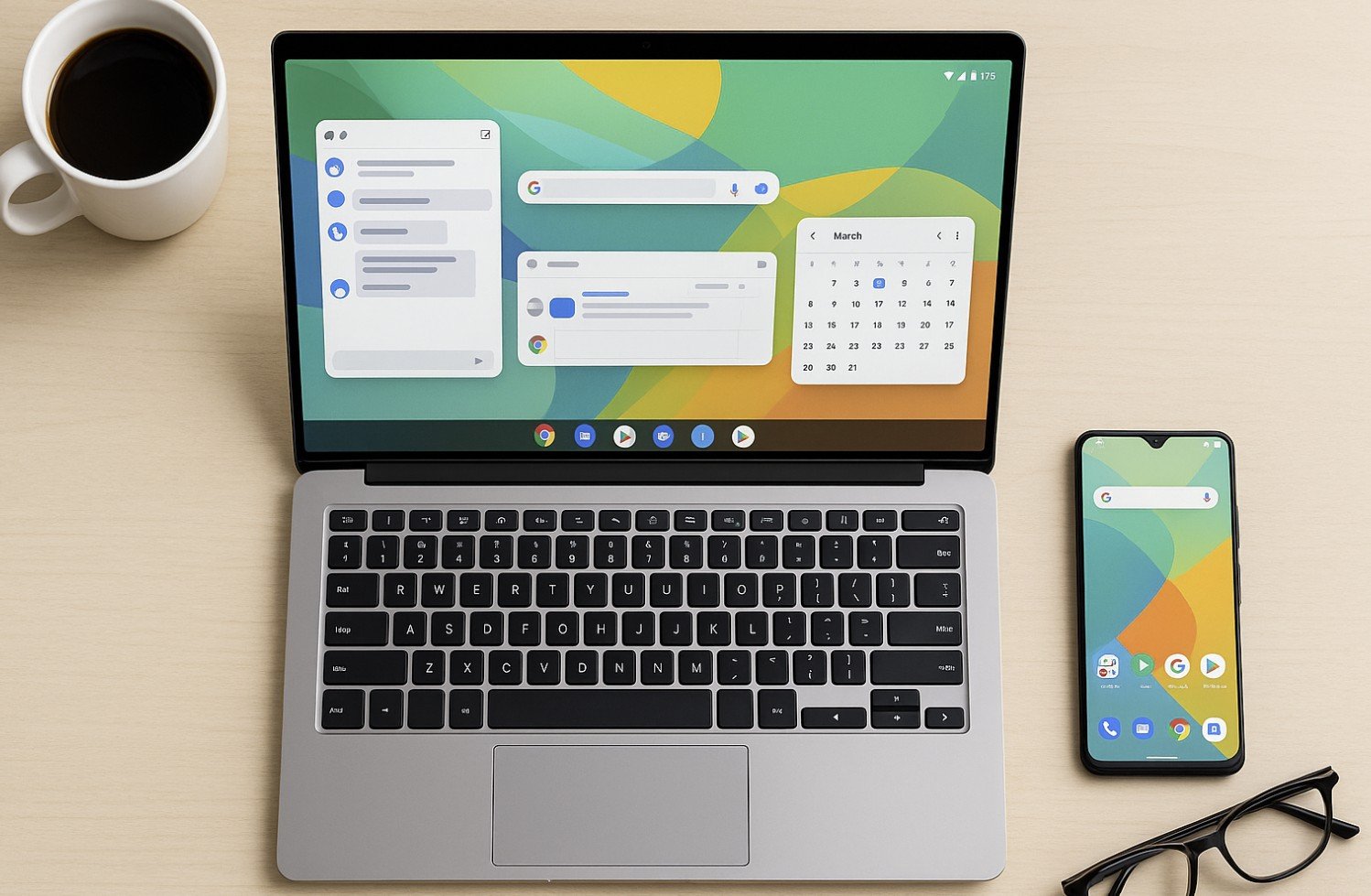
In a move that could reshape the personal computing landscape, Google has officially confirmed it is bringing a unified Android operating system to PCs.
The announcement, made at the Snapdragon Summit 2025, sets a 2026 target for the launch, signaling the most significant challenge to Microsoft Windows’ dominance in years. With strong backing from silicon giant Qualcomm, whose CEO has already praised the experience as “incredible,” the era of the Android PC is finally on the horizon.
Unifying Android for Every Screen
During the summit, Google’s Rick Osterloh detailed the company’s vision for a “common technical foundation” that will allow Android to run seamlessly across phones, tablets, and a new generation of desktop and laptop computers.
This initiative aims to deliver a single, cohesive platform that brings the entire Android ecosystem—including its vast app library and the full Gemini AI stack—to a traditional PC form factor. This move eliminates the workarounds currently needed to run Android apps on other desktop systems, promising a truly native and integrated experience.
A Strategic Shift from ChromeOS
Multiple reports suggest this new platform is the evolution of a long-term strategy, effectively re-basing the lightweight ChromeOS on Android’s foundation. This approach streamlines engineering efforts and solves the persistent challenge of app compatibility.
For years, running Android apps on Chromebooks has relied on layers and containers, often resulting in a clunky user experience. By creating one unified OS, Google can ensure that apps work flawlessly across devices, a critical step for attracting both developers and consumers to the new platform as more next-gen Arm PCs come to market.
The Pressure Mounts for Microsoft
If Google delivers on its promise, Microsoft will face a formidable competitor. Google already possesses deep relationships with major PC manufacturers and controls the world’s largest mobile app ecosystem. For a large segment of users whose computing needs revolve around web browsing, communication apps, and media consumption, a lean and efficient Android PC could be a highly attractive alternative.
This new competition, powered by AI-capable hardware, will likely pressure Microsoft to accelerate its own efforts to modernize Windows, especially regarding performance on Arm-based chips and the integration of advanced AI features.
The confirmation of Android PCs marks a pivotal moment for the industry. While crucial questions about app scaling, hardware requirements, and OEM adoption remain, the intent is clear. Google and Qualcomm are betting that the future of computing is mobile-first, even on the desktop.
As the 2026 launch approaches, all eyes will be on how Microsoft responds to this direct challenge and whether consumers are ready to embrace a new vision for their personal computers.