Developers behind vibe coding app Anything detail next steps after months-long fight with Apple
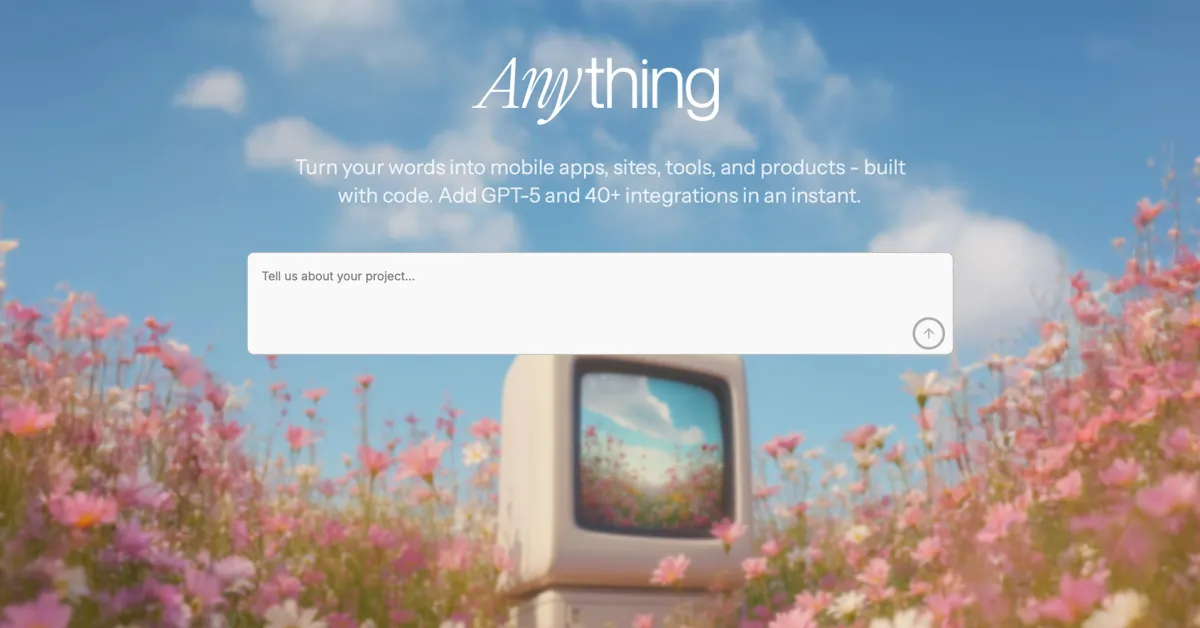
Following a dispute that led to two removals from the App Store, the developers behind the vibe coding platform Anything are publicly accusing Apple of shutting out a new generation of app creators through outdated app review guidelines. Here are the details.
Vibe coding apps challenge long-standing App Store rules
A few weeks ago, The Information reported that Apple had pulled the vibe coding app “Anything” from the App Store.
Apple claimed the Anything app violated “longstanding App Store rules that say an app can’t run code that changes the way it or other apps function.”
The rules in question were:
- Section 2.5.2 of the App Review Guidelines: “Apps should be self-contained in their bundles, and may not read or write data outside the designated container area, nor may they download, install, or execute code which introduces or changes features or functionality of the app, including other apps.”
- Section 3.3.1(B) of the Developer Program License: “Interpreted code may be downloaded to an Application but only so long as such code: (a) does not change the primary purpose of the Application by providing features or functionality that are inconsistent with the intended and advertised purpose of the Application.”
That is partly how vibe coding apps work. They generally let users send text prompts that AI models turn into code, before generating a working version of the app.
In Anything’s case, users can preview the app on their own devices and choose whether they want to submit it for approval on the App Store, provided they have a developer account.
Apple, however, has been taking issue with Anything’s app development and preview workflows, which is why the company has removed it from the App Store. Twice.
According to the developers, Apple pulled the app from the App Store on March 26, and then again just a few days after the app got reinstated, following a back-and-forth with the company.
From the developers, in a lengthy post on X (via TechCrunch), telling their side of the story:
Our mobile app got approved last year. We didn’t hear a word of concern. Then in December, they started blocking our updates, citing the infamous Guideline 2.5.2. The rule designed to prevent malicious apps from downloading code to change their behavior after review. We understood the concern, even if we disagree it applies to us. We tried to fix it. Four different technical approaches, each one specifically designed to address what they told us. Each one rejected. We didn’t go public. We didn’t tweet. We kept trying. Then they pulled us from the App Store. We still didn’t say anything. We worked with them, got reinstated, believed we’d found a path forward. Then they pulled us again.
In the post, the Anything team argues that “the number of people who can build apps is about to go from millions to hundreds of millions to eventually everyone,” adding that “these people are the future of the App Store.”
They also list examples of users who successfully launched their vibe-coded apps on the App Store, and pledge to keep working to evolve their product:
“We’re not waiting. We launched text-to-app. Text us and we’ll build your iOS app in the cloud. We’re shipping a desktop companion for on-device previews next. We’ll find a way to serve our builders.”
9to5Mac’s take
Anything’s post comes days after The Information reported that the App Store has seen a surge of new apps, which can at least in part be explained by the explosion in vibe coding tools.
Of course, not all vibe-coded apps will be as useful or as impactful (or even as safe) as the ones listed in Anything’s post. But that shouldn’t disqualify the new possibilities opened up by vibe coding tools altogether.
Over the past few months, there has been increased pressure for Apple to address, or at least acknowledge, the changing landscape of app development.
As vibe coding becomes increasingly popular and, with WWDC26 just around the corner, it will be interesting to see how Apple chooses to handle the situation, if at all.
Worth checking out on Amazon


FTC: We use income earning auto affiliate links. More.