Improving Windows quality: Making Taskbar and Start more personal
In our commitment to Windows quality, we outlined our plans to deliver improvements in performance, reliability, and craft. We are also committed to being transparent about the work behind those efforts, including what we are shipping, why we prioritized those features, and where we still have more work to do.
Start and taskbar are some of the most visible and frequently used experiences in Windows, so we are focused on improving their quality and giving you more flexibility to personalize them to meet your needs.
Let’s walk through where we’re making meaningful progress against the feedback we’ve heard from you, rolling out to Windows Insiders in the Experimental channel over the coming weeks, including several rolling out today.
Bringing more personalization to the taskbar
The taskbar is where your PC experience comes to life. Just like a well-organized workspace, having it tailored to your needs helps you stay productive, so we’re introducing more ways to customize it.
Taskbar positions
Location, location, location. The ability to move the taskbar to the top or sides of the screen has been one of the most requested features, and we are bringing it to Windows 11.
Starting today, Windows Insiders in the Experimental channel will be able to:
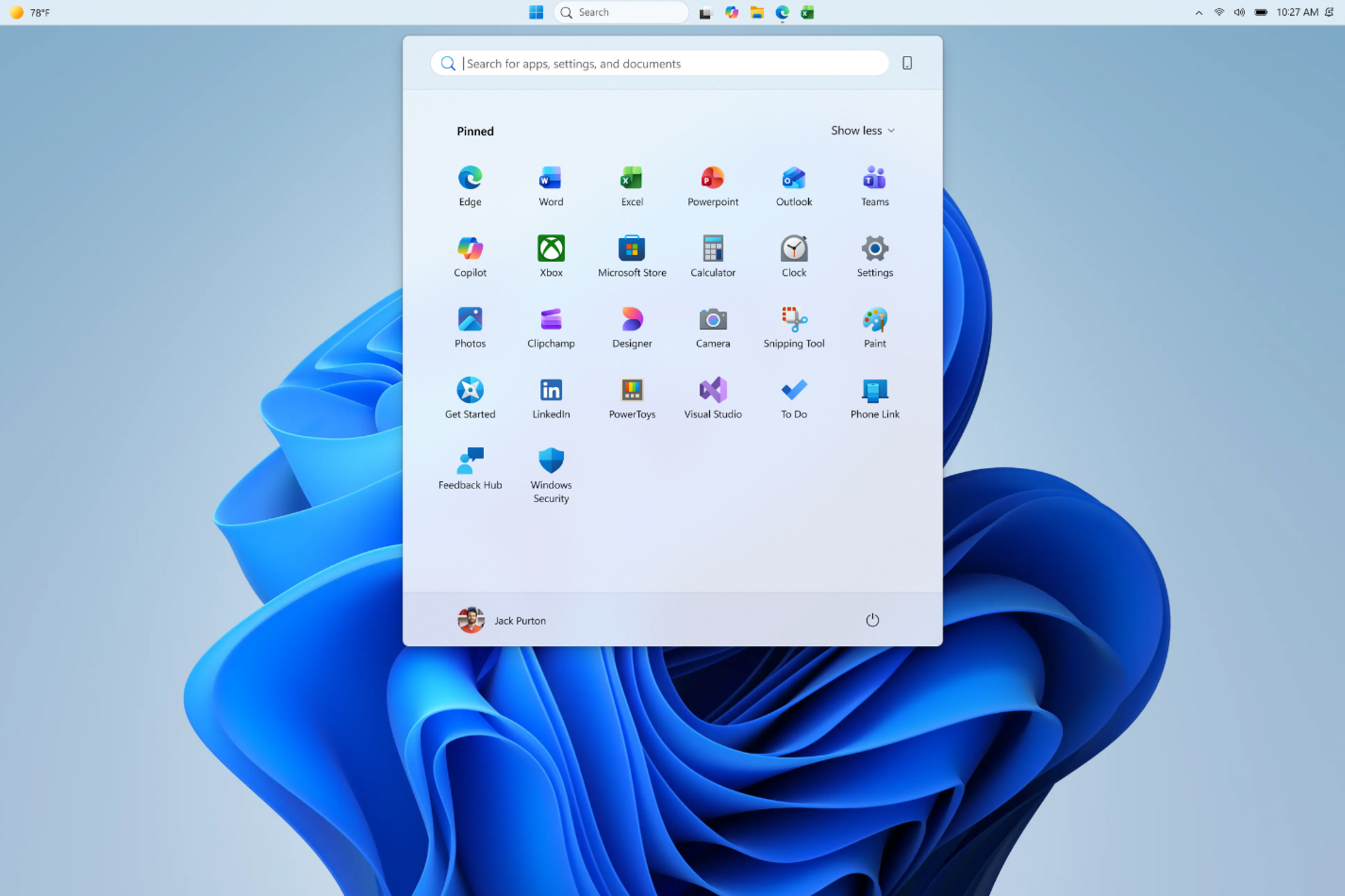
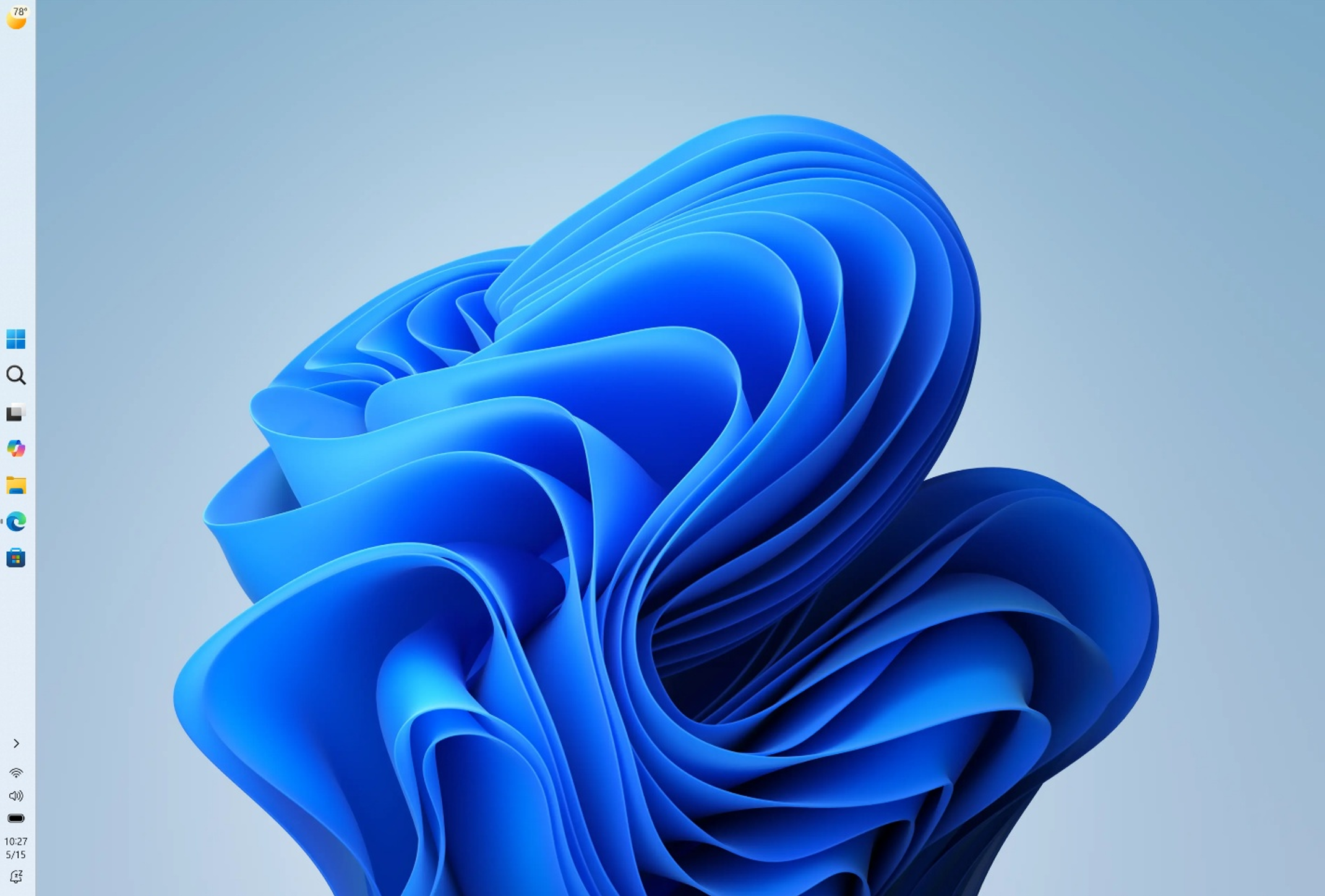
- Position the taskbar on any edge of the screen: Top, bottom, left, or right (see figure 1).
- Choose icon alignment for every taskbar position: Top-aligned or centered when the taskbar is on the left or right, and left-aligned or centered when the taskbar is on the top or bottom.
- Use Start, Search, and other flyouts relative to the taskbar location: For example, when the taskbar is on the top, Start opens from the top (see figure 2).
- See every window at a glance: When using a vertical taskbar with “Never combine” taskbar buttons and show labels enabled, each app window appears as a separate labeled button, making it easier to identify and switch between windows (see figure 3).
For people who value vertical screen space, like developers who want to see more of their code at once, moving the taskbar to the side can help reclaim precious room on the screen. If accessibility or ergonomics make the top of the screen easier to reach, you can place the taskbar there. If you rely on the taskbar to keep track of your work, a vertical layout with ungrouped icons can help you stay organized. The choice is yours.
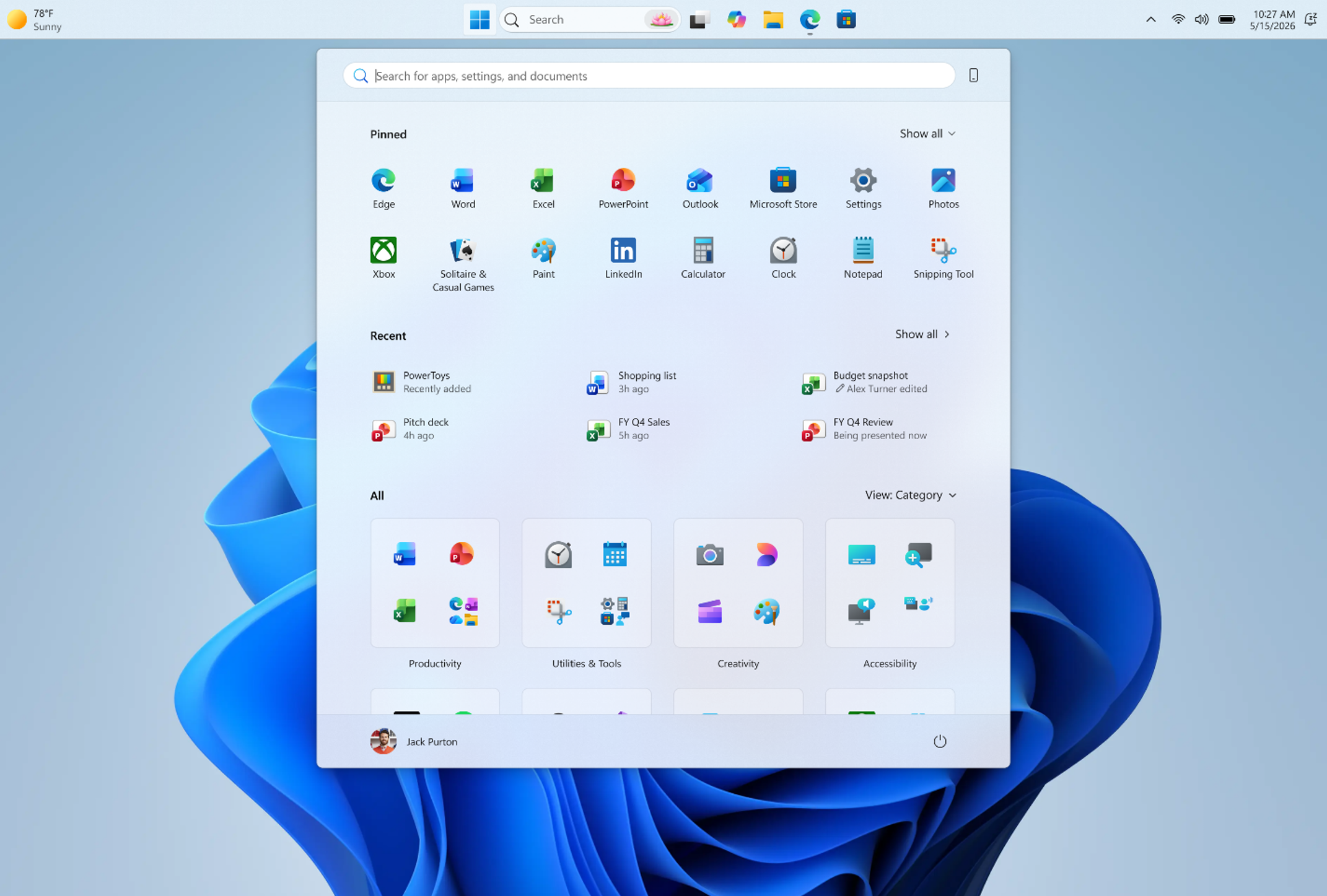
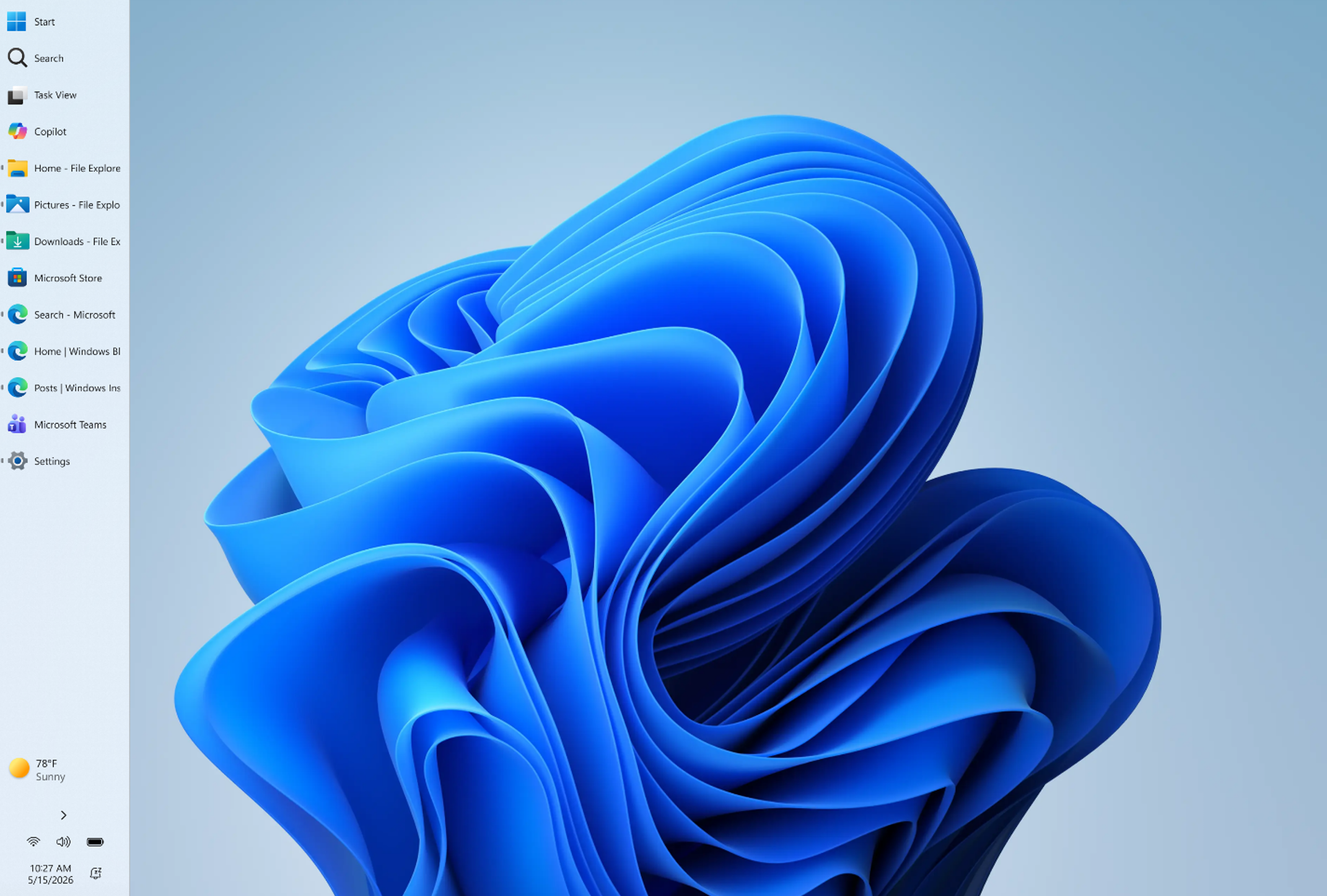
To change the taskbar position, go to Settings > Personalization > Taskbar > Taskbar behaviors, where you will find the new option alongside taskbar icon alignment.
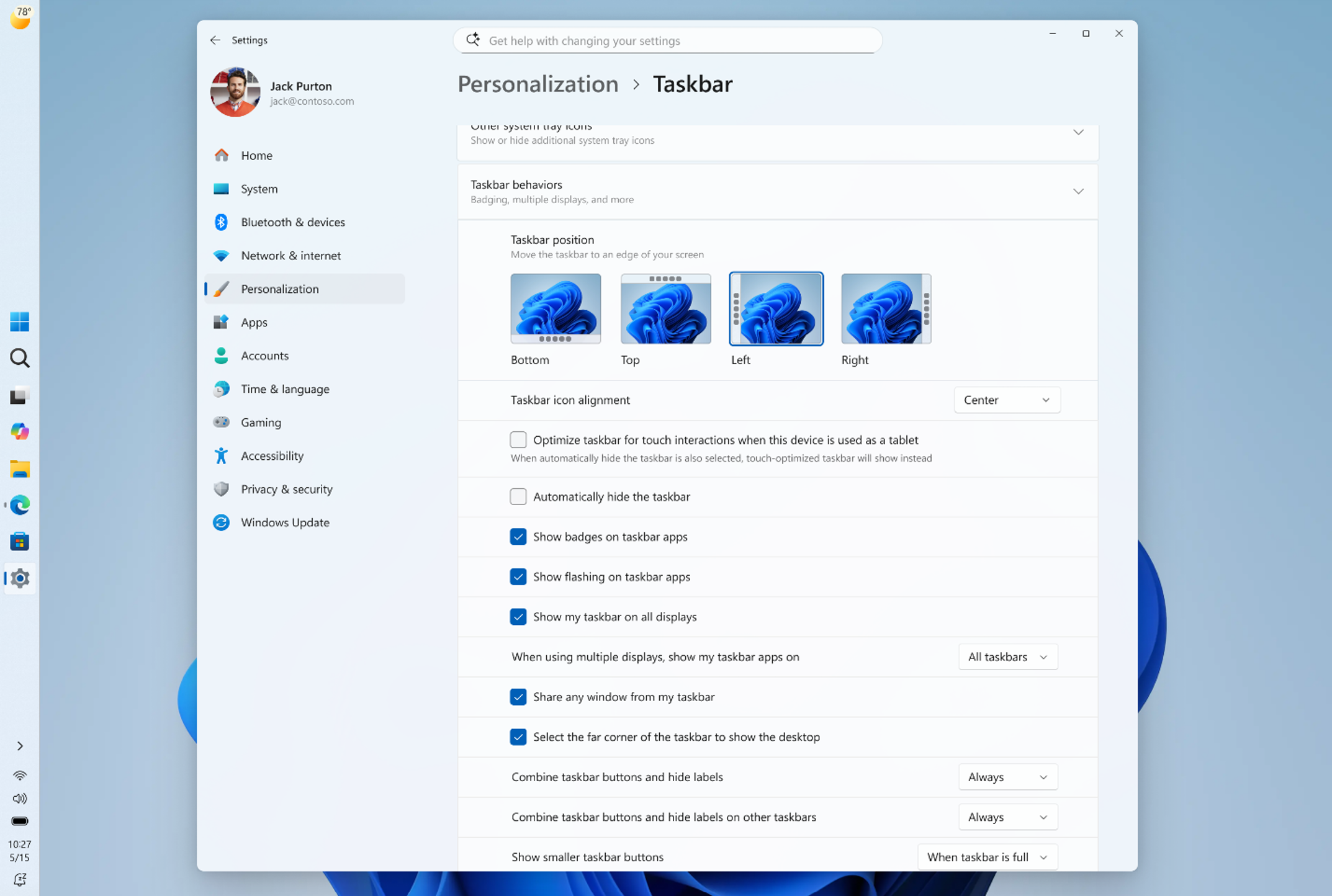
We’re excited to hear your feedback. We’re still working through additional visual polish, performance improvements, and a few known issues, and there are also some features that are not yet included in this release but are coming soon:
- Auto-hide and tablet-optimized taskbar are not yet supported in alternate positions.
- Touch gestures for alternate positions are still in progress.
- Search boxes are not yet supported in alternate positions and will appear as a search icon for now.
We are also evaluating additional features like different taskbar positions per monitor and drag and drop. Our focus is to deliver the core functionality you need while keeping the experience simple, predictable, and free from accidental taskbar movement.
Smaller taskbar
Windows 11 introduced a roomier taskbar to support more states and features while also improving touch targets.
On smaller screens, that extra height can take away from your usable workspace. We are adding the option to switch to a more compact taskbar for times when every pixel counts.
With this update, when small taskbar is enabled, you get smaller icons, a shorter taskbar, and more vertical space for your apps (see video below). No restart or sign-out is required.
This experience is rolling out today in the Experimental channel. To change your taskbar size, go to Settings > Personalization > Taskbar > Taskbar behaviors > Show smaller taskbar buttons. When set to Always, both the icons and the taskbar height become smaller.

Putting you in control of Start
There is a unique Start for everyone, whether you want a minimal experience with just your pinned apps, quick access to recent files, everything in one place, or something in between.
We are making changes in two areas to support this. First, we are giving you easier ways to shape your Start menu. Second, we are improving the quality of what appears there by default.
More control over your layout
Today, customizing Start can require navigating multiple settings in different places. Turning off the Recommended section involves toggling several settings, and clearing pinned apps means unpinning them one by one. We are simplifying this experience.
Over the coming weeks, Insiders will get:
- Section-level toggles to independently show or hide Pinned, Recommended, and All. One toggle per section that is simple and clear.
- A separate control for file recommendations. Today, turning off Recommended in Start also turns off jump lists and recent files in File Explorer. With this change, you can disable file recommendations in Start without affecting recent files in other places.
- Start menu size settings that let you choose your preferred size. Today, Start adapts to your display. With this update, you can choose Small or Large so your preference stays consistent across displays whenever possible.
- The option to hide your name and profile picture in Start for added privacy when sharing your screen, presenting, or streaming.
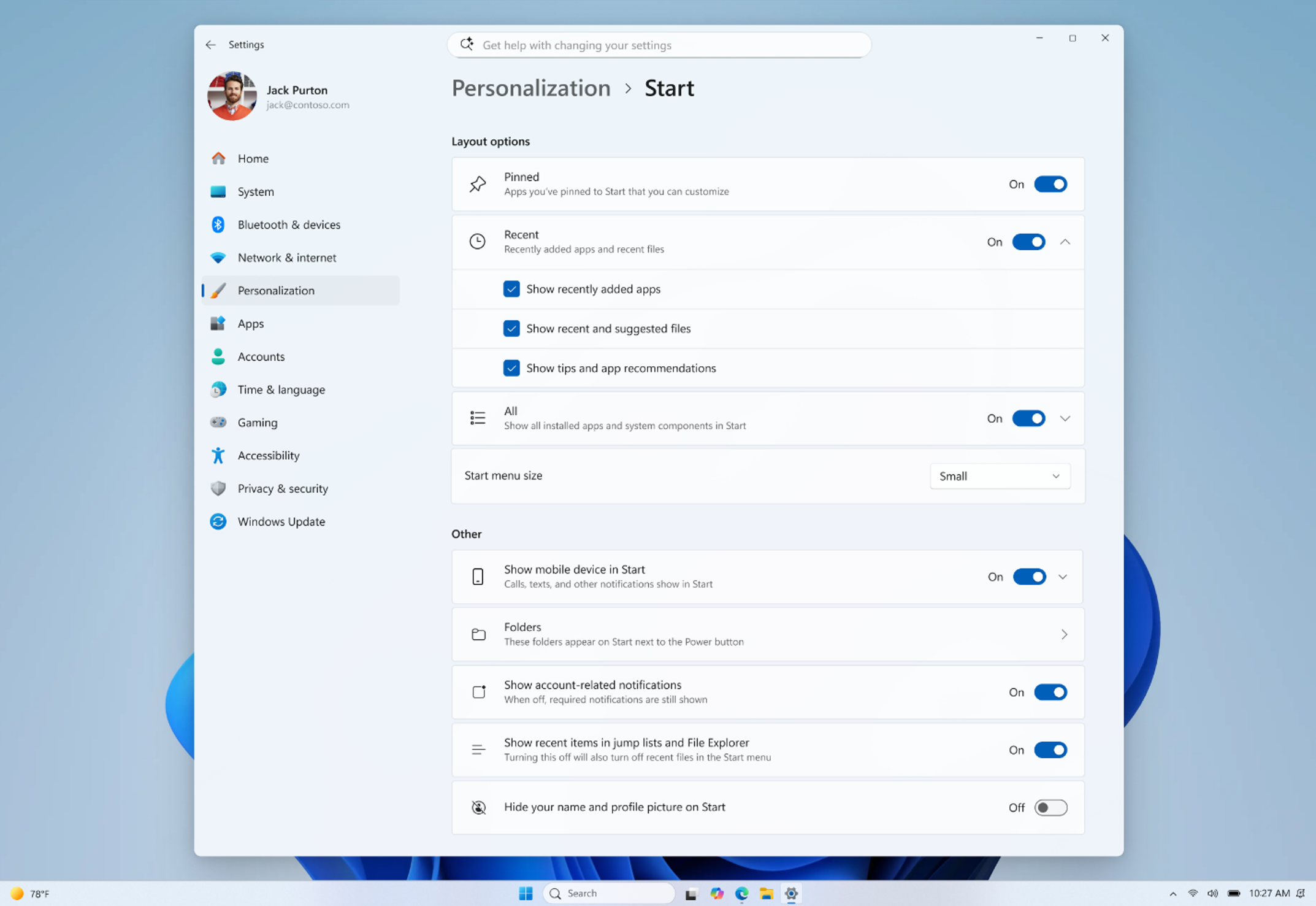
These controls are designed to work together. If you want a Start menu with just your pinned apps, you can turn off Recommended and All. If you want a full Start that shows everything, you can leave it all on. The goal is simple: it is your choice, and it should be easy to make.
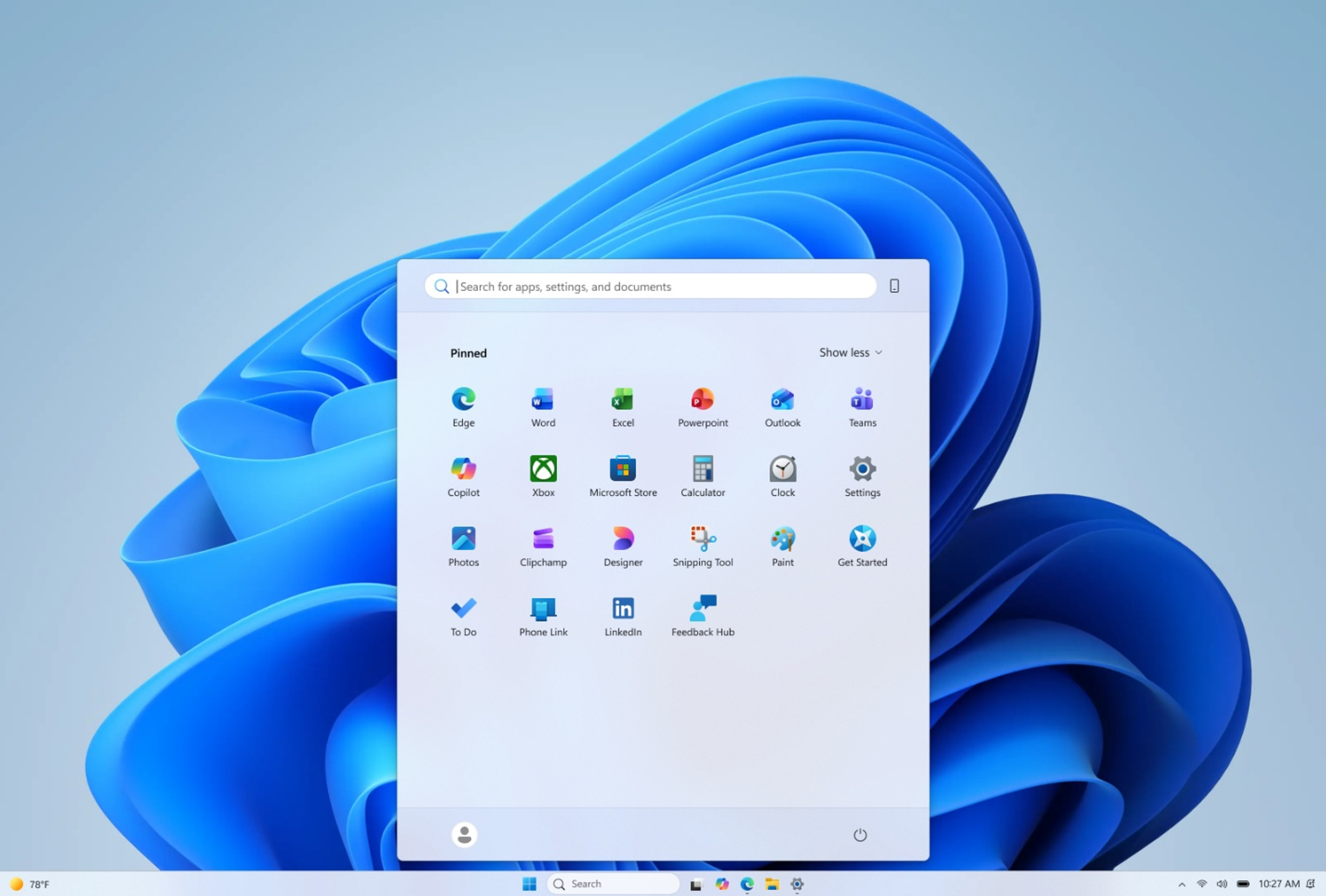
Improving recommendation quality
We are also improving the content that appears in this section for people who choose to keep it on.
We are renaming Recommended to Recent to better reflect what the section primarily shows, including recently installed apps and recently used files.
We are keeping recently installed apps visible, as this remains one of the primary ways people discover newly installed apps alongside the Microsoft Store. Both users and developers have told us this visibility is important.
In addition, we are improving file relevancy. We are refining which files appear and how they are ordered to reduce less relevant items and better reflect what you have been working on.
What’s next
Everything described will roll out to Windows Insiders in the Experimental channel over the coming weeks, including several in today’s flight.
We have talked about earning trust through steady and visible progress. Start and taskbar are where that trust is tested most, every time you sit down at your PC.
Please share your feedback in Feedback Hub by pressing WIN + F. The Windows Insider community plays a critical role in shaping Windows, and as these features become available, we encourage you to explore them and share what is working and what is not. This work is ongoing, and our goal is to build it together with you.
Thanks,
Diego
Twitter (X): @bacadd
LinkedIn: https://www.linkedin/in/bacadd