Someone’s RTX 5090 scorched its adapter despite underclocking their TDP to try and play it safe
The RTX 5090 is currently the most expensive gaming GPU on the market. In many regions, prices are hovering close to $5,000, depending on the model and availability. It’s the card people buy when they want the absolute best. That is exactly why there is nothing worse than seeing one get damaged, especially due to a problem that has been discussed for years.
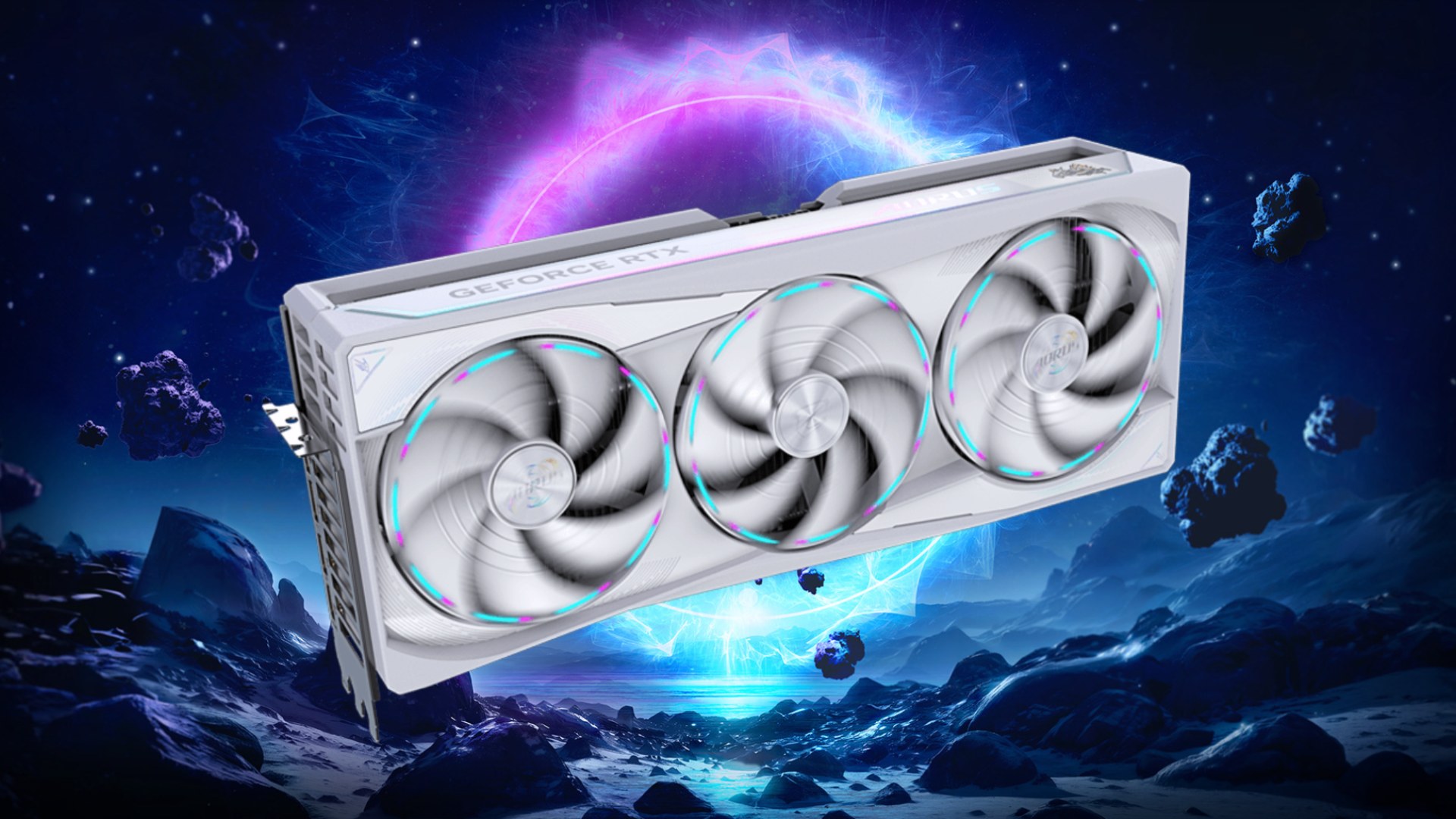
Unfortunately, an RTX 5090 owner has reported a melted power connector. Doubly unfortunate is the fact that this is more common than anyone would like, and this time, the incident involves a Gigabyte RTX 5090 AORUS Master ICE card. The user shared details on Mobil01, Taiwan’s largest online forum and social network, explaining that the 16-pin power connector burned despite efforts to prevent it.
RTX 5090 running at 500W can still burn out
The user attempted to reduce risk by limiting the GPU’s power draw. Instead of allowing the card to pull its typical 600W (it’s officially rated at 575W), they manually capped it at 500W. That is a 75-100W reduction for a Gigabyte card, which should have lowered stress on the connector. On paper, it sounds like a smart move.
According to the report, the entire top row of the 12V-2×6 connector melted, while the bottom row remained intact, which suggests uneven power distribution. When only part of the connector handles most of the load, heat builds up quickly, and improper contact between the pins can make the situation worse.

The user was running the three 8-pin to 12V-2×6 adapter included with the Gigabyte card. These bundled adapters have been under observation since the launch of high-power RTX 40 and RTX 50 series GPUs. 12V-2×6 is the second generation of these adapters, as 40-series cards originally shipped with the 12VHPWR connector. In this case, the system reportedly ran fine for nearly seven months before the failure occurred.
What makes this situation more frustrating is that lowering the power limit did not guarantee safety. Similar incidents have happened with other high-end cards using the same connector design, including the RTX 5080, RTX 5070 Ti, and even some Radeon models. It shows that simply reducing wattage is not always enough.
For owners of a nearly $5,000 graphics card, that is a tough pill to swallow. When you invest that much into top-tier hardware, you expect stability and peace of mind. Instead, some RTX 5090 users are still dealing with the risk of melted connectors, even after taking extra precautions. Someone in China also recently captured footage of their RTX 5090 setting on fire, and they can’t even apply for an RMA or warranty replacement due to regional restrictions.