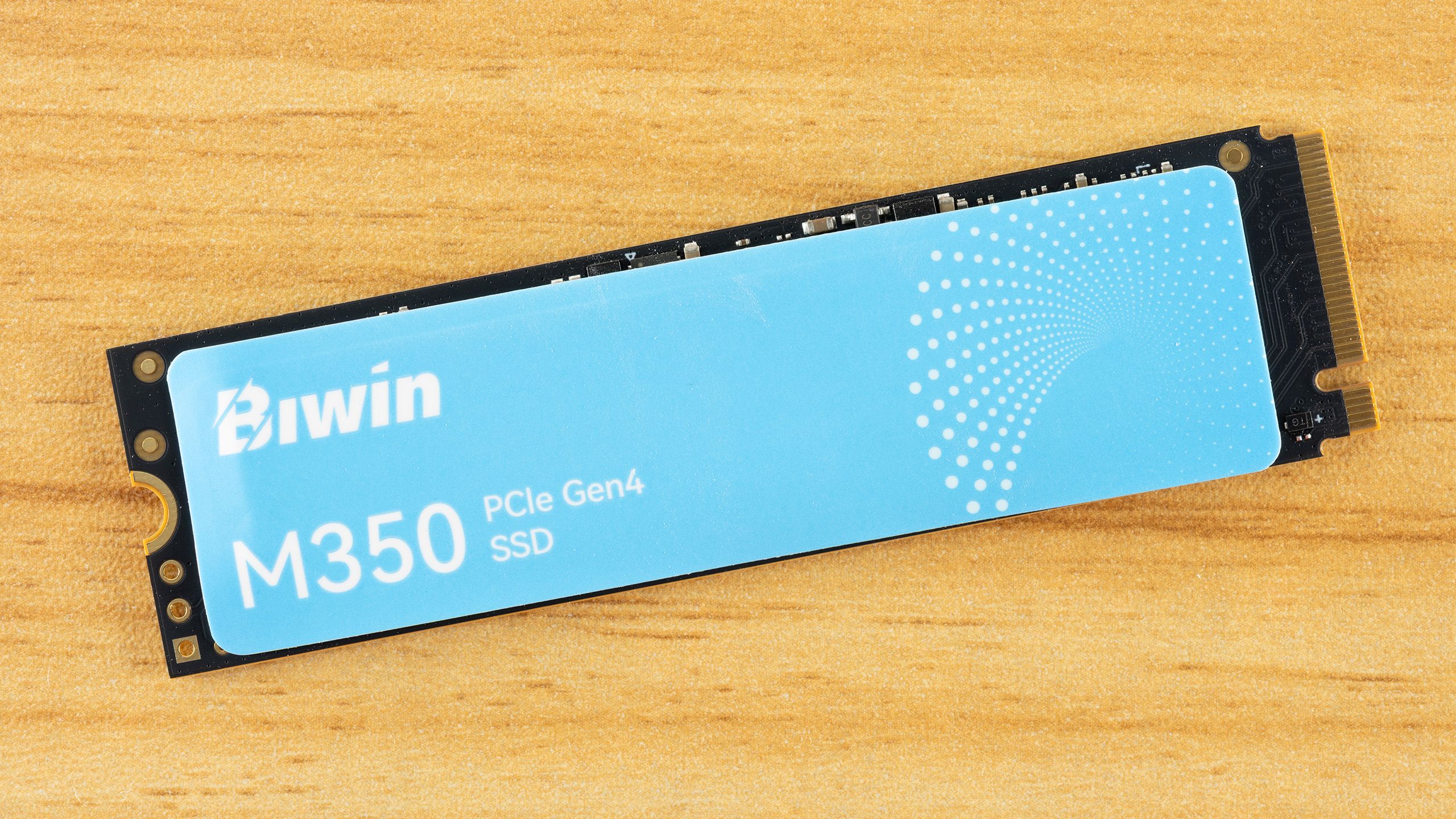
Biwin M350 2TB SSD Review: A Better Budget Alternative?
Why you can trust Tom’s Hardware
Our expert reviewers spend hours testing and comparing products and services so you can choose the best for you. Find out more about how we test.
A Kingston NV3-killer from Biwin? This once lesser-known brand continues to surprise, delivering a drive that punches above its weight. The M350’s competitive hardware makes for a compelling QLC-based budget SSD without making heavy compromises. The market may again be flooded by entry-level PCIe 4.0 drives, and the M350 stands out by balancing high power efficiency with good random read performance. It’s a particularly solid candidate for laptop upgrades and secondary storage, but it could serve you well anywhere in a pinch.
Biwin M350 Specifications
|
Product |
500GB |
1TB |
2TB |
4TB |
|---|---|---|---|---|
|
Pricing |
N/A |
N/A |
||
|
Form Factor |
M.2 2280 (Single-sided) |
M.2 2280 (Single-sided) |
M.2 2280 (Single-sided) |
M.2 2280 (Single-sided) |
|
Interface / Protocol |
PCIe 4.0 x4 |
PCIe 4.0 x4 |
PCIe 4.0 x4 |
PCIe 4.0 x4 |
|
Controller |
Silicon Motion SM2268XT2 |
Silicon Motion SM2268XT2 |
Silicon Motion SM2268XT2 |
Silicon Motion SM2268XT2 |
|
DRAM |
N/A (HMB) |
N/A (HMB) |
N/A (HMB) |
N/A (HMB) |
|
Flash Memory |
Micron 232-Layer QLC (N58R) |
Micron 232-Layer QLC (N58R) |
Micron 232-Layer QLC (N58R) |
Micron 232-Layer QLC (N58R) |
|
Sequential Read |
5,000 MB/s |
5,200 MB/s |
5,200 MB/s |
6,000 MB/s |
|
Sequential Write |
2,000 MB/s |
4,800 MB/s |
4,800 MB/s |
5,000 MB/s |
|
Random Read |
400K IOPS |
500K IOPS |
400K IOPS |
400K IOPS |
|
Random Write |
500K IOPS |
600K IOPS |
600K IOPS |
800K IOPS |
|
Endurance |
200TBW |
400TBW |
800TBW |
1,600TBW |
|
Part Number |
BM350NN512G-RGX |
BM350NN01TB-RGX |
BM350NN02TB-RGX |
BM350NN04TB-RGX |
|
Warranty |
5-Year |
5-Year |
5-Year |
5-Year |
The Biwin M350 has a good capacity range, including 500GB, 1TB, 2TB, and 4TB, but the 500GB is difficult to find, and the rest of the drive’s specifications feel a little antiquated. The drive is rated for up to 6,000 / 5,000 MB/s for sequential reads and writes, but only at 4TB. The lower capacities are significantly slower. As for random reads and writes, the drive can hit up to 400K / 800K IOPS, again at 4TB. Random write IOPS fall for the lower capacities. This isn’t a flagship drive, and the random reads in particular seem oddly measured.
Biwin does give the drive a five-year warranty, which is nice, and 400TBW per TB capacity. This is perfectly in line with a drive using QLC flash at around two-thirds of what you get with TLC drives. This is plenty of writes for most people.
Biwin M350 Software and Accessories
Biwin has two applications available for download for this drive. The first is Biwin Intelligence which is the company’s all-in-one SSD toolboxes. Such applications are used to receive basic information about your system and drives, help with firmware updates and with other features like secure erase and data backup, provide diagnostic data, and more.
The other program is the Biwin Data Recovery Tool which appears to be newer. Data recovery for SSDs – or memory cards, for that matter – is quite difficult if data is erased. Modern drives will quickly reclaim space for future writes if given the chance. Does this mean the tool is useless? No, as it is possible to recover data if you’re quick and there are situations where you might need it. However, we recommend having backups at all times.
Biwin M350: A Closer Look
Image 1 of 2
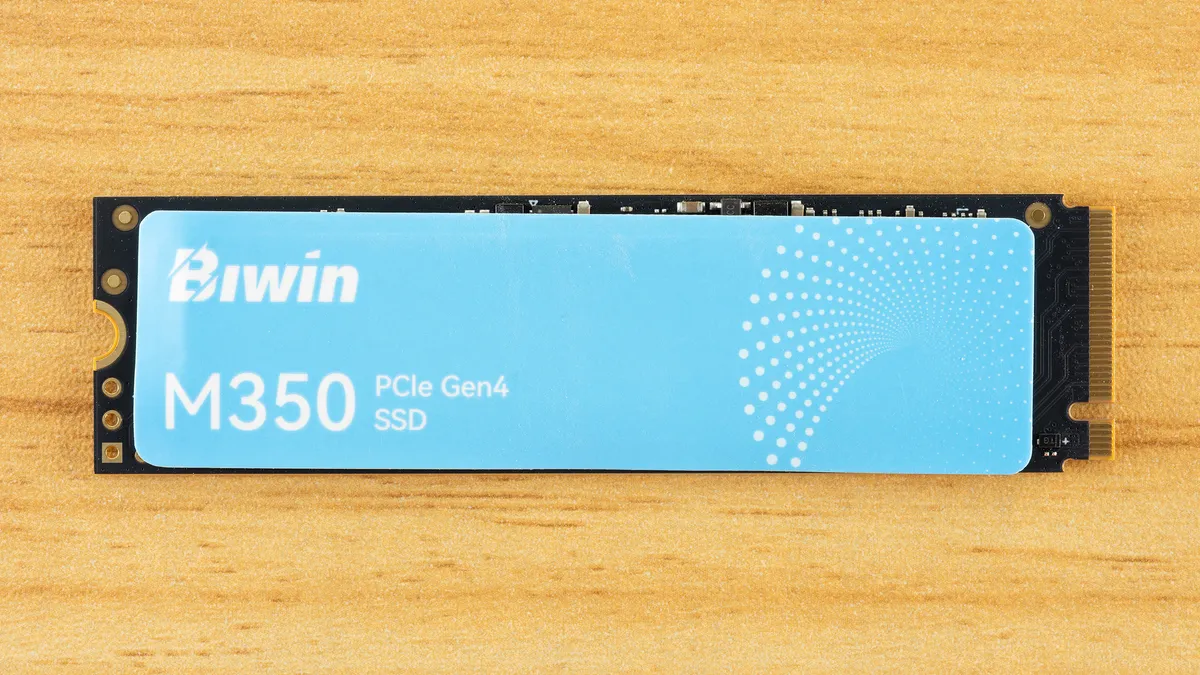
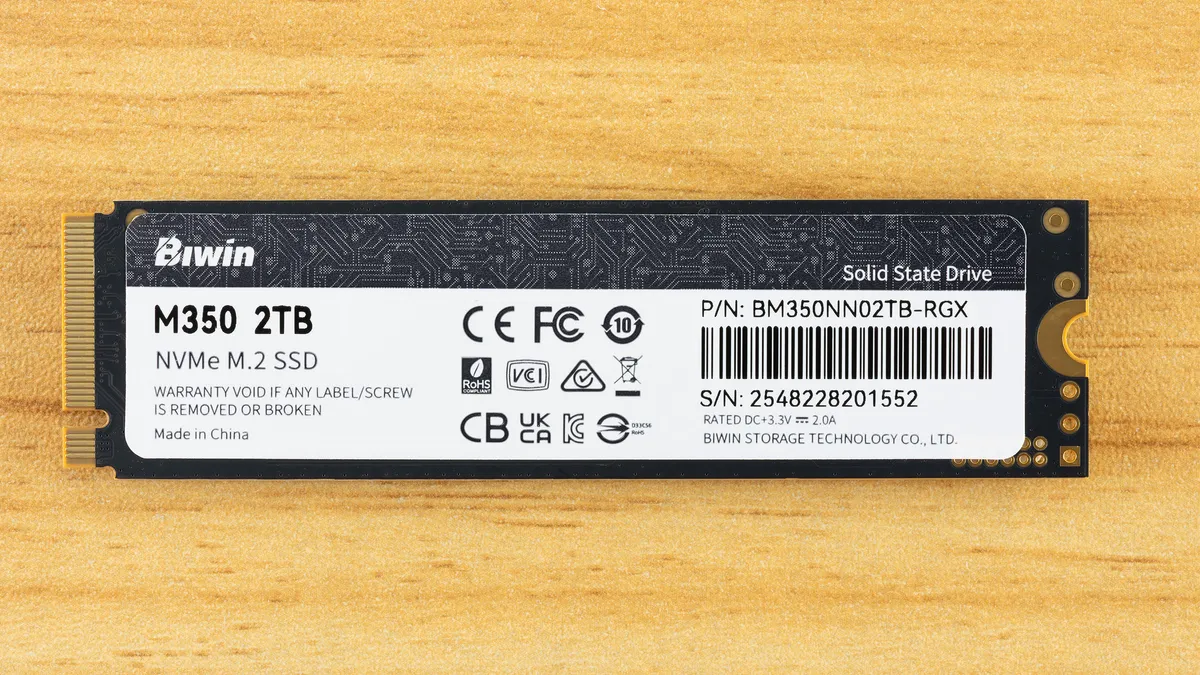
The Biwin M350 is a single-sided drive at all capacities. This makes it an easier choice for laptops and other devices that prefer or may need a thinner drive. The drive is rated for 3.3V / 2.0A, or 6.6 watts, but we know a drive at this performance level with this hardware is not going to pull anywhere near that. In fact, this one should be an excellent choice for mobile devices, which include laptops. That’s one advantage of under-gunning the hardware – this controller and flash can hit higher numbers, for sure – but not the only one.
Image 1 of 3
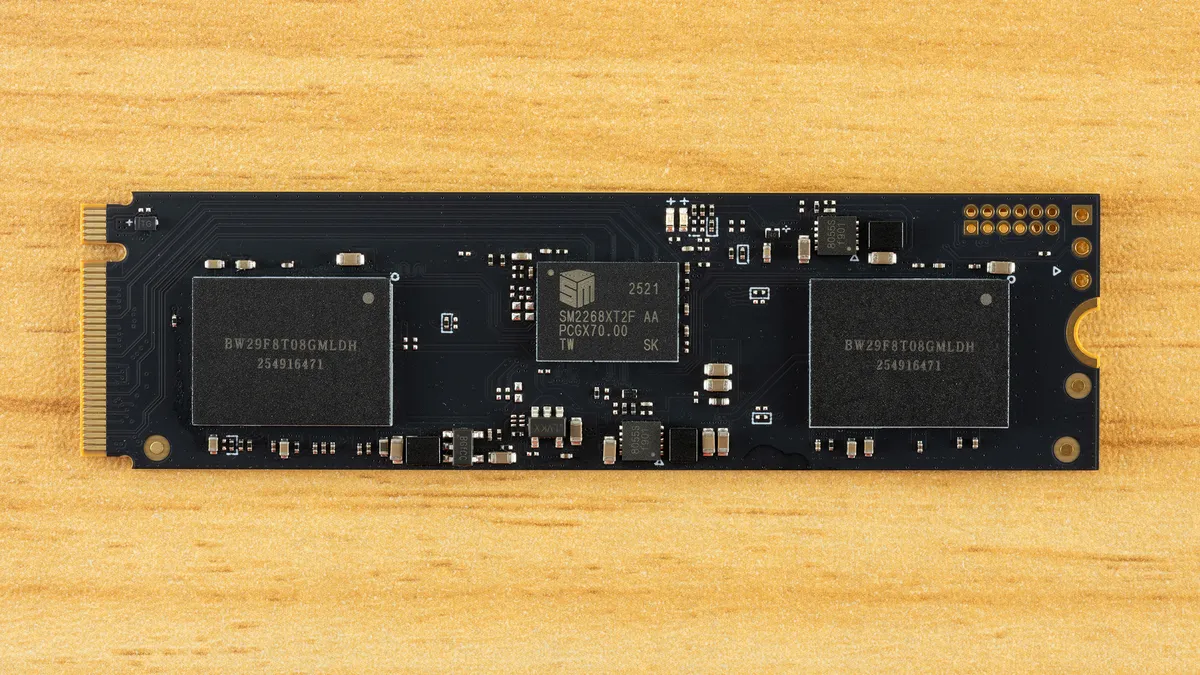
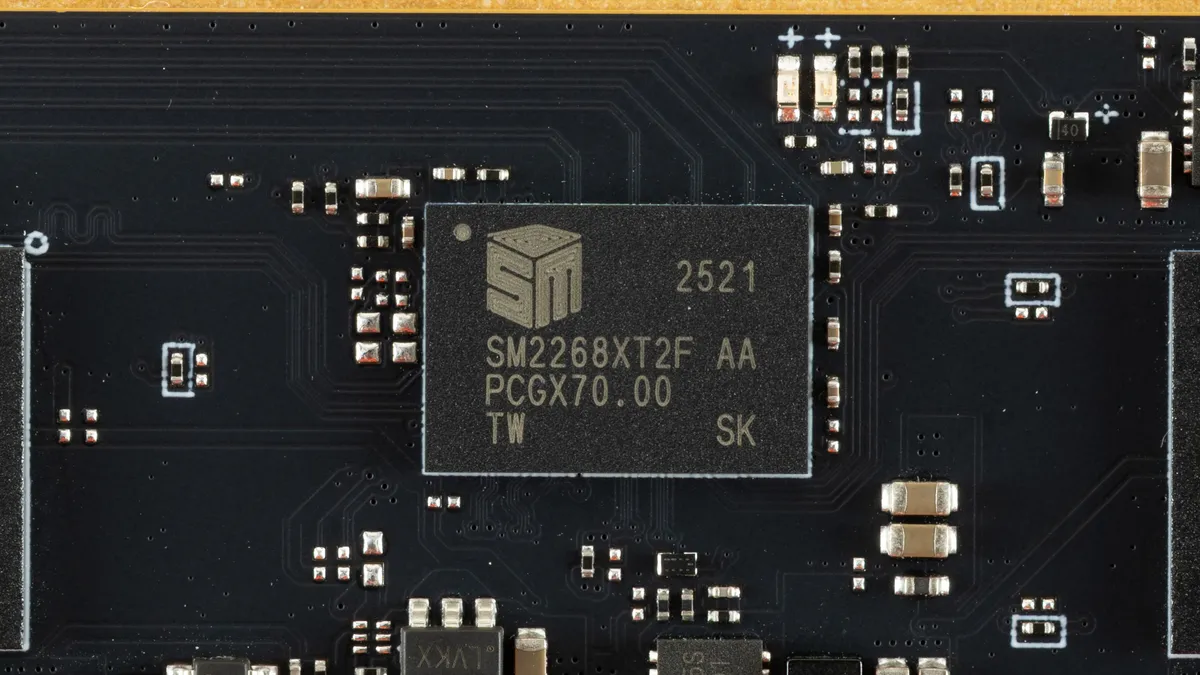
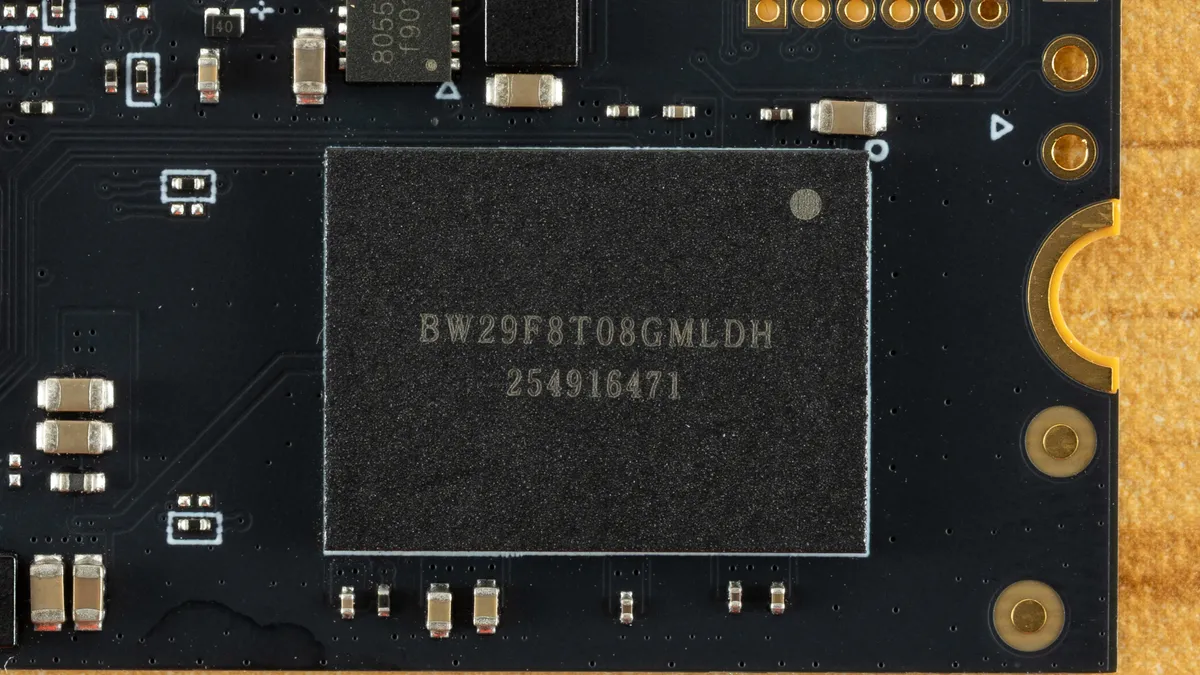
So let’s look at the hardware. Silicon Motion’s SM2268XT2 is a very capable four-channel, DRAM-less controller, able to match anything else on the market in this class. This includes the Phison E27T and super-popular Maxio MAP1602. It can hit up to 7,400 MB/s for sequential reads and up to 1,200K random read and write IOPS. So what gives with the specifications here? The M350 is rated more modestly, kind of like the Kingston NV3, which shares the controller. Yes, the controller won’t be as fast with some flash memory, but both drives deliberately aim lower on the specifications. One reason is that this allows for hardware swapping later with less worry about meeting the rated speeds. Another reason is that you can run the drive at a slower speed to preserve endurance and potentially improve power efficiency.
Which is it here? Well, let’s talk first about the flash. This is not one we’ve seen before, and you probably won’t be able to dig anything up with a standard Google search. However, it’s clearly using Micron coding – the “29” is a dead giveaway – and therefore we can use Micron decoding for the rest of the string. To save everybody some time, this is 232-Layer Micron QLC flash or N58R. This is good as far as flash goes, and Biwin has proven it can work with Micron flash, so no problems here. It is likely this drive is targeting budget users, and at these speeds, it will be efficient and should have no trouble hitting its endurance target. So, a good all-around drive in terms of hardware if you want to save some money.
MORE: Best SSDs
MORE: Best External SSDs
MORE: Best SSD for the Steam Deck