Did Teslaâs Robotaxi Launch Backfire?
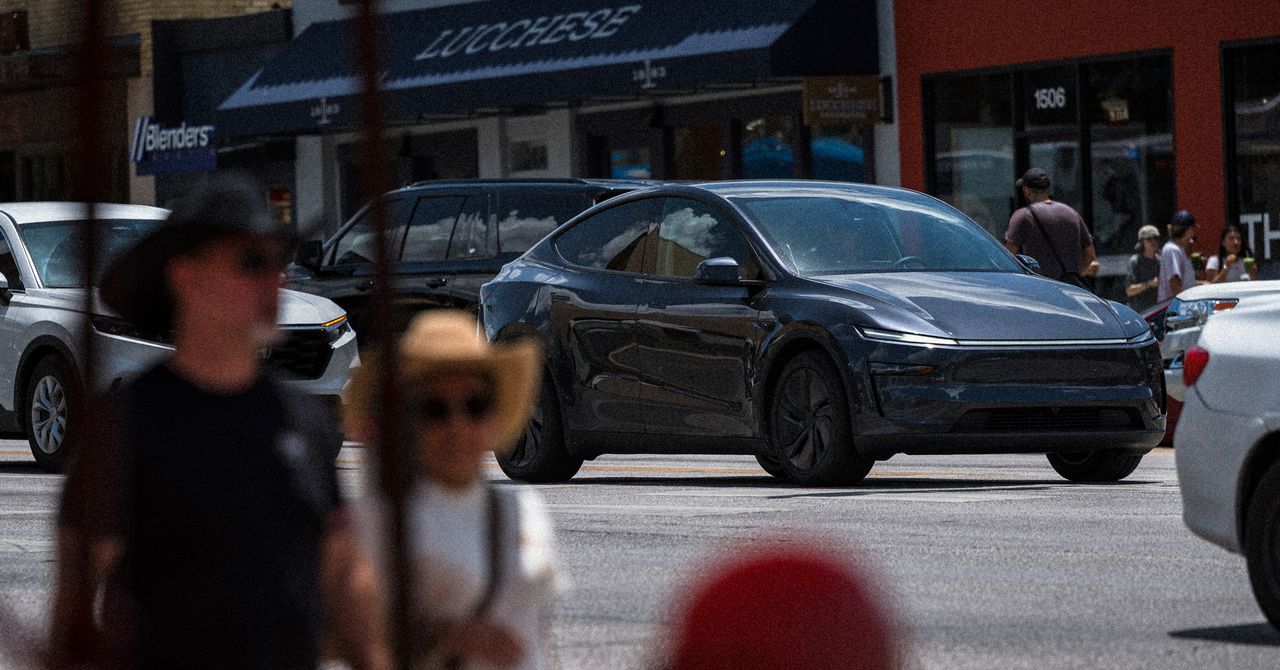
But a long-promised robotaxi service launch in Austin didnât go entirely to script. Musk initially said no one other than the customer would be inside the self-driving Teslas, but the automaker installed human safety operators in the front passenger seat of each car to intervene when the tech fails. The service isnât yet open to the public; only invited users, initially Tesla influencers popular on Muskâs X platform, have access to robotaxis. Tech bloopers captured by those riders, including an incident in which a robotaxi briefly crossed a double-yellow line to drive into the oncoming lane of traffic, attracted the notice of federal regulators; a spokesperson for the National Highway Traffic Administration told WIRED last month that the agency is looking into the tech. And the launch itself was small, using just a handful of cars in a limited part of the city. (Tesla expanded the service area in Austin last week; in a brazen, puckish flourish typical of Musk and Tesla, the new map resembles a phallus.)
Still, Musk has said his tech will roll out rapidly and that there will be âmillions of Teslas operating autonomouslyâ in the second half of 2026.
EVIR also polled 4,100 consumers with investment exposure to Tesla and found that 61 percent believe Musk should âfocus on his businesses instead of risking his reputation with government-related activities.”
If US consumers canât get onboard with Tesla robotaxis, the fallout might have implications for the entire autonomous vehicle industry. As with any new technology, a safety misstep by one industry player might affect all of them.
The queasy consumer feelings about robotaxis could hardly come at a worse time: After years of over-promising and underdelivering, many Western tech developers are finally getting their self-driving tech on the roads. Alphabetâs Waymo is picking up paying passengers in Phoenix, San Francisco, Los Angeles, Austin, and Atlanta; Amazonâs Zoox says it will launch in Las Vegas this year; Lyft and the tech developer May Mobillity say theyâll start picking up passengers in Atlanta this year; Uber and the British company Wayve say theyâre working to start self-driving service in London at some point after the second half of 2027.
In a written statement, May Mobility COO Kathy Winter called surveys finding low public trust and interest in robotaxis âsimply an artifact of low exposure to a new technology.â âThe superior convenience and safety [autonomous vehicles] provide are game changers for even the most skeptical first-time riders,â she wrote.
In a statement, Waymo spokesperson Ethan Teicher wrote, âWe work closely with community organizations, elected officials, regulators, and emergency responders to help educate the public about the technology in the cities we operate before we are open to riders.â He cited Waymo data showing that Waymo’s technology gets into 88 percent fewer crashes involving serious injuries in the cities where it operates compared to the average human driver.
Zoox didnât respond to WIREDâs requests for comment.
China, meanwhile, seems to be racing ahead in self-driving taxis. Baiduâs Apollo Go says it has completed 11 million ridesâat the time, more than Waymoâs 10 millionâin cities all over China; rivals WeRide and Pony.ai operate in five and four cities, respectively.
Update, July 22 at 1:30 pm: Updated to include a statement from Waymo. This story was also updated earlier to correct an error. The percentage of consumers who were less interested in robotaxi rides after reading the Wall Street Journal excerpt is 50 percent.