
TikTok creators’ Seedance 2.0 AI is hyperrealistic, arrived “seemingly out of nowhere,” and is spooking Hollywood
Seedance 2.0 is the latest image-to-video and text-to-video AI model from ByteDance. If that name rings a bell, it’s probably because China-based ByteDance is the company behind TikTok. The release of version 2.0 of Seedance was launched on February 14 and has already caused a splash on the internet, with users and analysts alike shocked by its incredibly realistic results.
The original Seedance was released in June 2025, but version two is getting all the attention – good and bad. A post depicting an AI-generated movie scene of Brad Pitt and Tom Cruise in a fist fight was widely shared online and showed what the technology can do. Rhett Reese, writer/producer of Deadpool 1 & 2, reacting with “I hate to say it. It’s likely over for us”.
Seedance 2.0 versus Hollywood
Reese later indicated that while his writing and producing roles may not be in danger, the movie industry will never be the same. Seedance 2.0 has caught the attention of wider Hollywood; The Motion Picture Association (MPA) noted to the BBC that “In a single day, the Chinese AI service Seedance 2.0 has engaged in unauthorized use of US copyrighted works on a massive scale”.
It’s obvious AI has plenty of controversial uses, and it’s certainly a legal issue when it comes to dealing with existing intellectual property. The MPA represents some of the biggest US studios, from Netflix and Amazon Prime Video to Walt Disney Studios and Sony Pictures. Speaking of, Sony is the latest company to join a studio protest and send a cease and desist letter to ByteDance.
In response to challenges from Hollywood, ByteDance communicated to the BBC that it “respects intellectual property rights and we have heard the concerns regarding Seedance 2.0,” announcing “steps to strengthen current safeguards”. This includes measures to prevent users from unauthorised use of intellectual property and likeness. It’s not yet clear how these measures will be put in place, and ByteDance failed to give away any specifics.
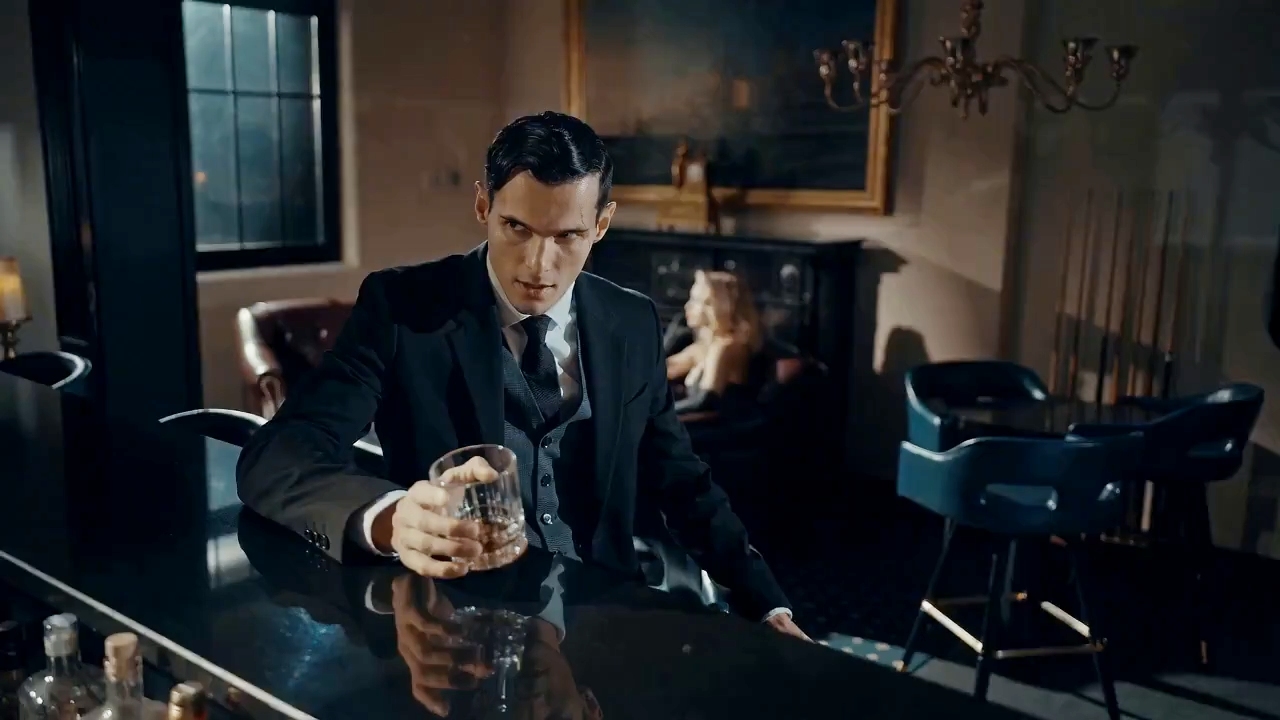
As you can see from the viral video above, Seedance 2.0 has able to construct the scene, including video and audio generation, with “a 2-line prompt”. The comments are filled with similar examples. Someone even pointed out the fact that some punches fail to land and stop short. This is obviously the case with real movie production, suggesting the AI model may have already been trained on similar footage, which may or may not be copyrighted material in its own right.
Speaking with the BBC, Shaanan Choney, a computing researcher at the University of Melbourne, suspects it’s likely ByteDance was aware of the dangers of releasing such a model, but did it anyway as a strategic play “to flout the rules for a while and get marketing clout”. The company has certainly achieved the latter, and Seedance has become difficult to ignore for smaller production companies looking to achieve more spectacular visuals for a fraction of the cost. Choney notes it’s another success in a world of China-based AI development – you may remember DeepSeek, and more recently, some AI-powered kung fu robots.
“It signals that Chinese models are at the very least matching at the frontier of what is available,” Cohney says. “If ByteDance can produce this seemingly out of nowhere, what other kinds of models do Chinese companies have in store?”
Shaanan Choney, Computing Researcher, University of Melbourne
It’s clear Hollywood is trying to push against the use of generative AI in this way, at least when it means getting lawyers involved.
On the contrary, large production companies are not shying away from the use of AI in general. A landmark deal between OpenAI and The Walt Disney Company at the end of last year allows “beloved characters” from across Disney’s wide range of IPs to be generated in Sora, OpenAI’s very own video and audio generation model. Sora is also in its second generation (Sora 2) and was launched in September 2025.


