
Chrome Tests Prefetching for Bookmarks and New Tab Page
Readers help support Windows Report. We may get a commission if you buy through our links.

Read our disclosure page to find out how can you help Windows Report sustain the editorial team. Read more
After adding touch drag-and-drop support in Windows 11, Google is testing new Chrome changes that work in the background. The browser now prepares bookmarks and new tabs when you hover, and it boosts page loading so sites open faster once you click.
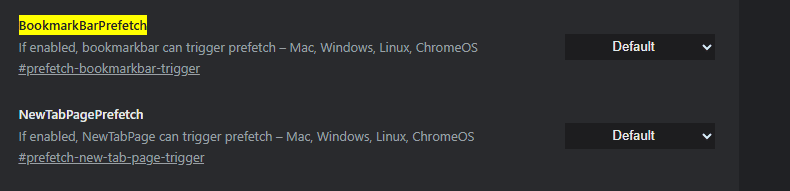
This time, Chrome is using a lighter method called prefetching. Instead of loading the whole page, it only picks up what it needs, so the page opens faster when you click. The result is the same: Chrome feels snappier, without wasting memory or running things in the background if you hover and don’t end up clicking.
Chrome to Prefetch Bookmarks & New Tab Page for Faster Browsing
If you rest your cursor over a bookmark in the bookmarks bar, Chrome quietly begins getting parts of that page ready before you even decide to open it. The same happens when you hover over the “+” button to create a new tab; Chrome prepares the New Tab Page in the background, so it feels instant once you click.
The company has tried a heavier version of this in the past, known as prerendering, where an entire page was loaded in advance. That made things extremely fast when you clicked, but it also consumed memory and sometimes triggered parts of a site before you actually visited it.

Both of these features are still being tested in Chrome Canary as separate experiments. When they roll out, you’ll notice that Chrome feels a little quicker when opening bookmarks or new tabs.
Another “Boost” for Speed
Along with hover prefetch, Google has enabled a change that boosts Chrome’s rendering process during page loads, making sites open faster on all platforms except Android.
When a new page starts loading, Chrome tells its rendering process to focus on that single job, giving it more power to load all the text, images, and videos quickly.
This feature is now rolling out, intending to make Chrome feel more responsive and reduce the time you spend waiting for pages to appear.


